THE OTHER SIDE OF THE COIN OF FIN-DE-SIÈCLE VIENNA: LIVING CONDITIONS OF WORKERS IN THE VIENNESE OUTER DISTRICTS FAVORITEN, OTTAKRING AND HERNALS & SOCIAL ADVANCEMENT VIA APPRENTICESHIP AND VOCATIONAL TRAINING
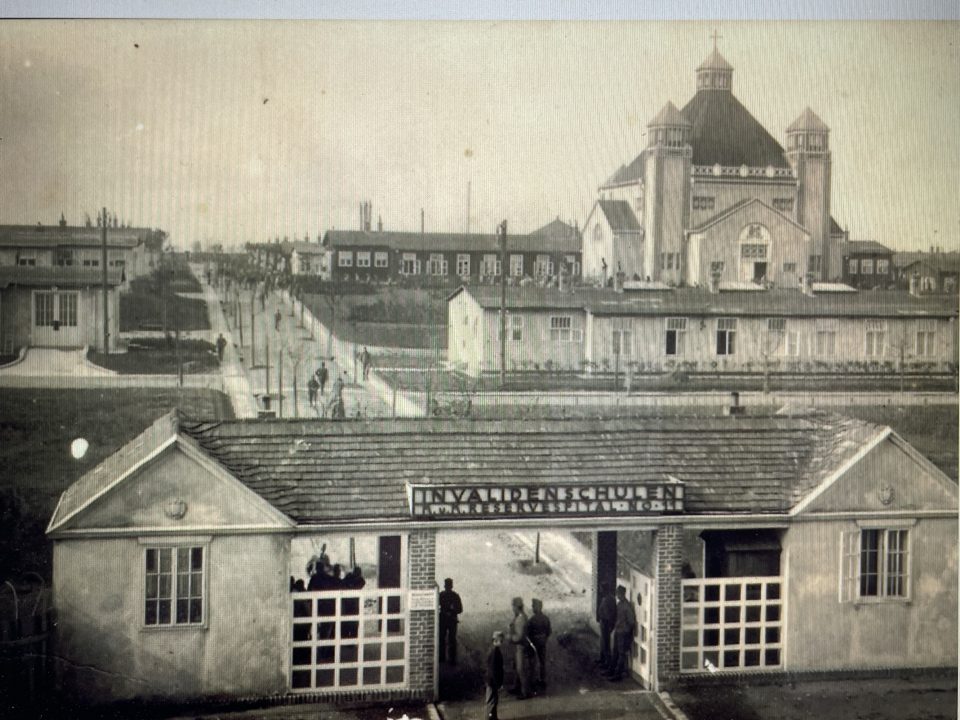
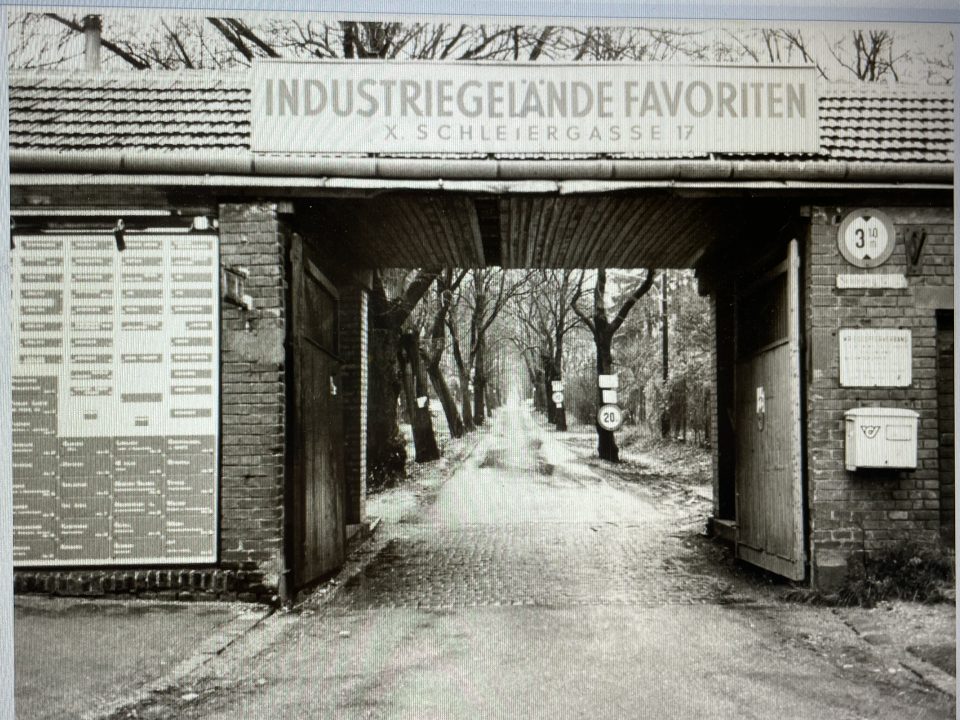
Area of the “Schleierbaracken” in the Viennese working-class district of Favoriten, Schleiergasse 17, at the beginning of the 20th century. Left: the rehabilitation and re-training centre for invalid soldiers of World War I. Right: after the end of World War I, the wooden barracks were rented to small suburban businesses as workshops and used until the 1970s
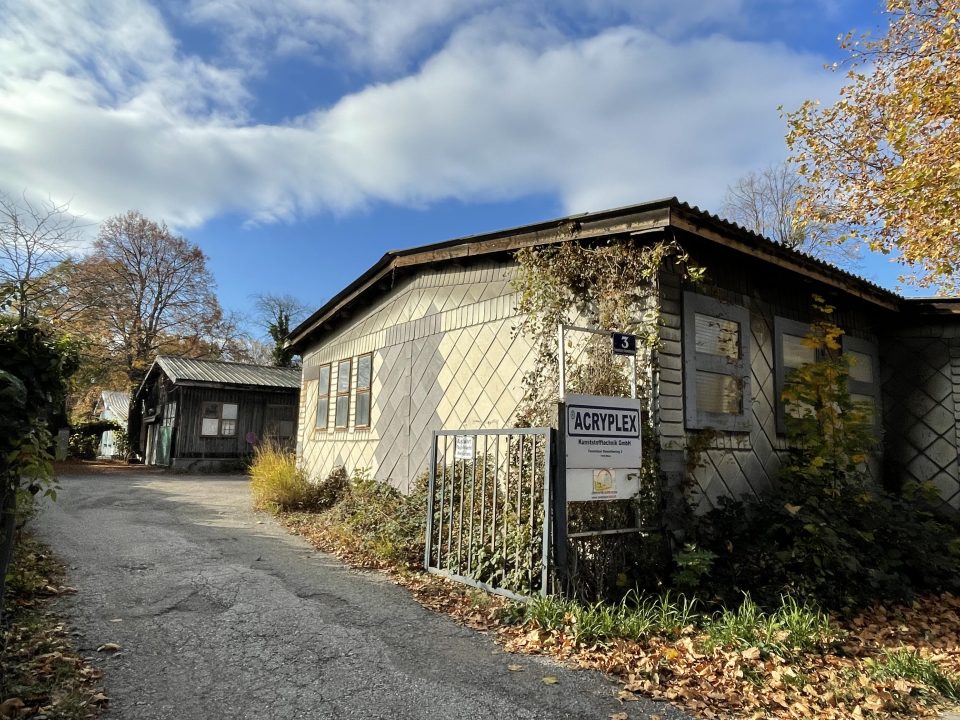
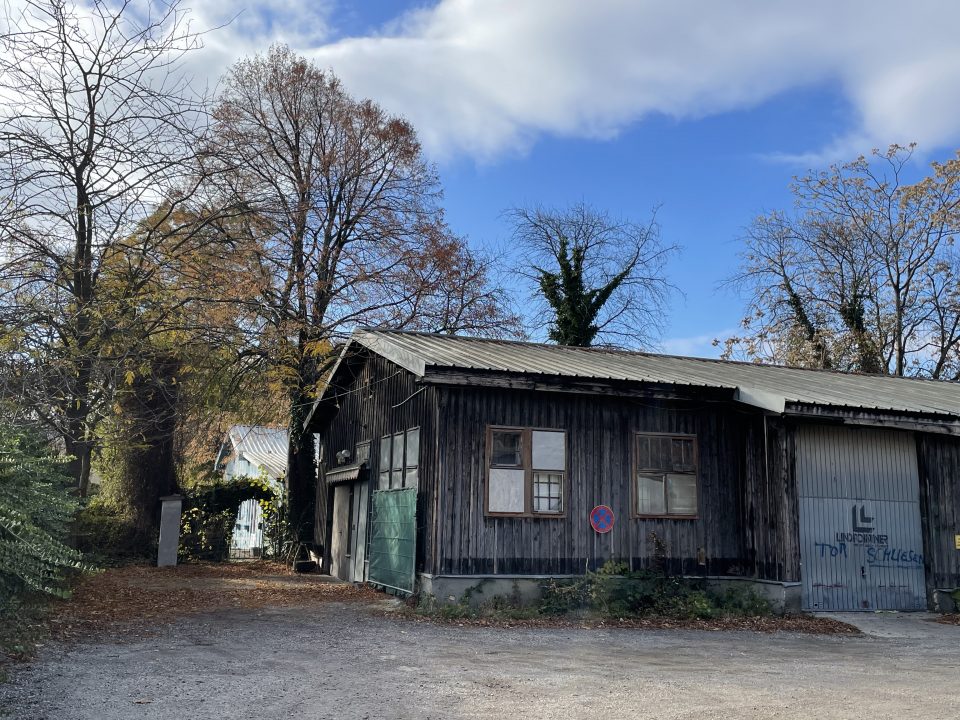
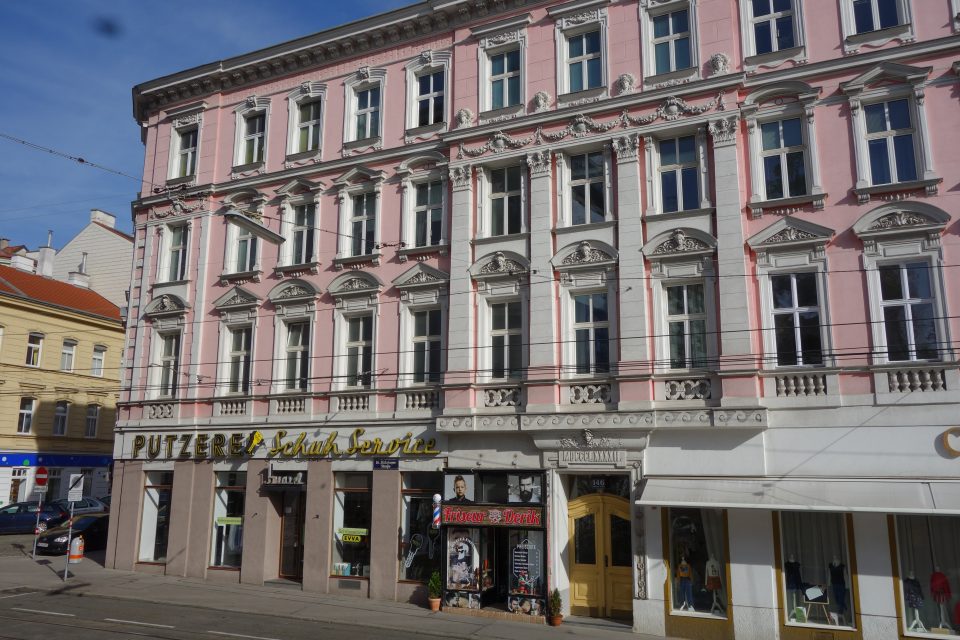
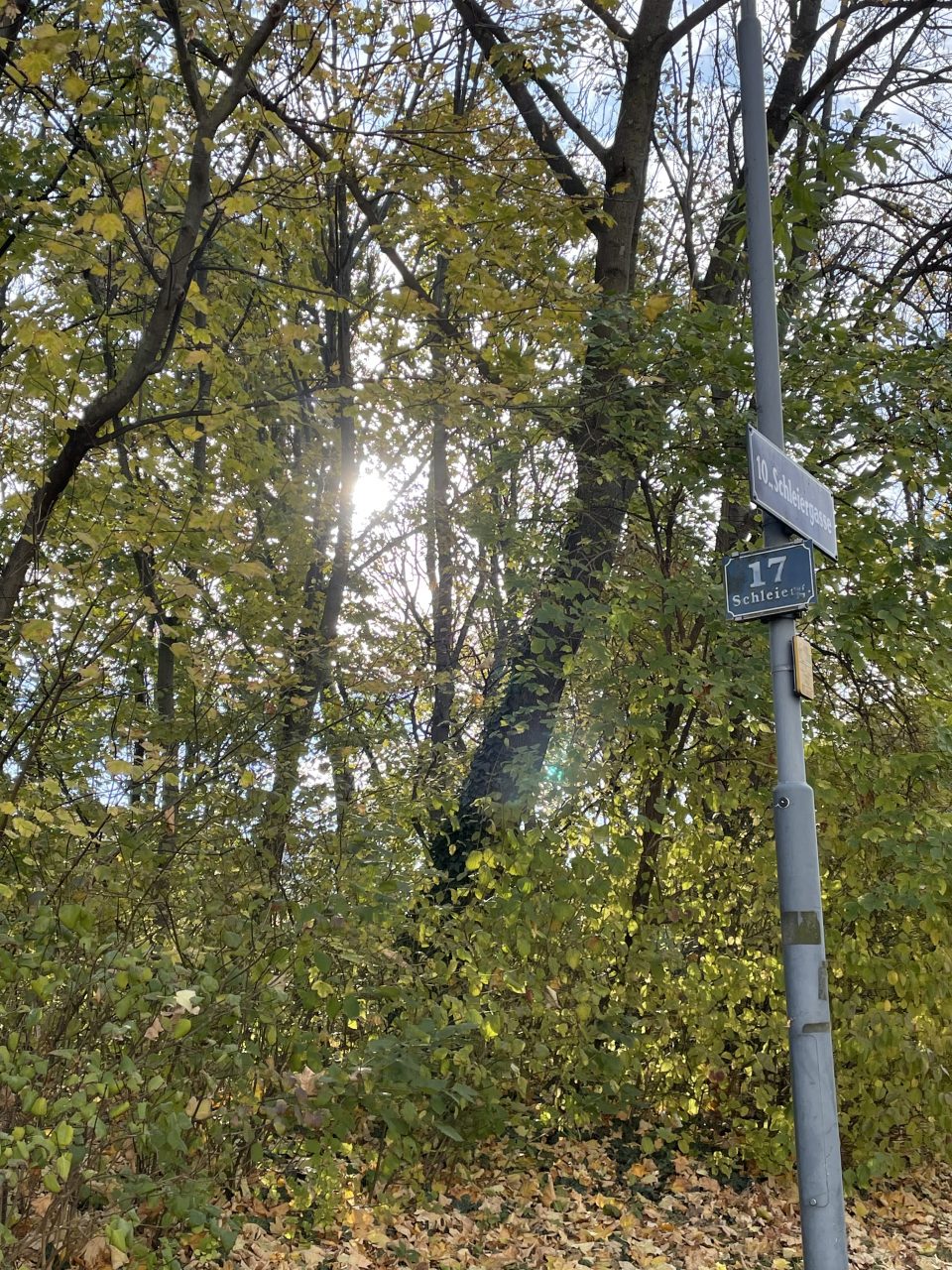
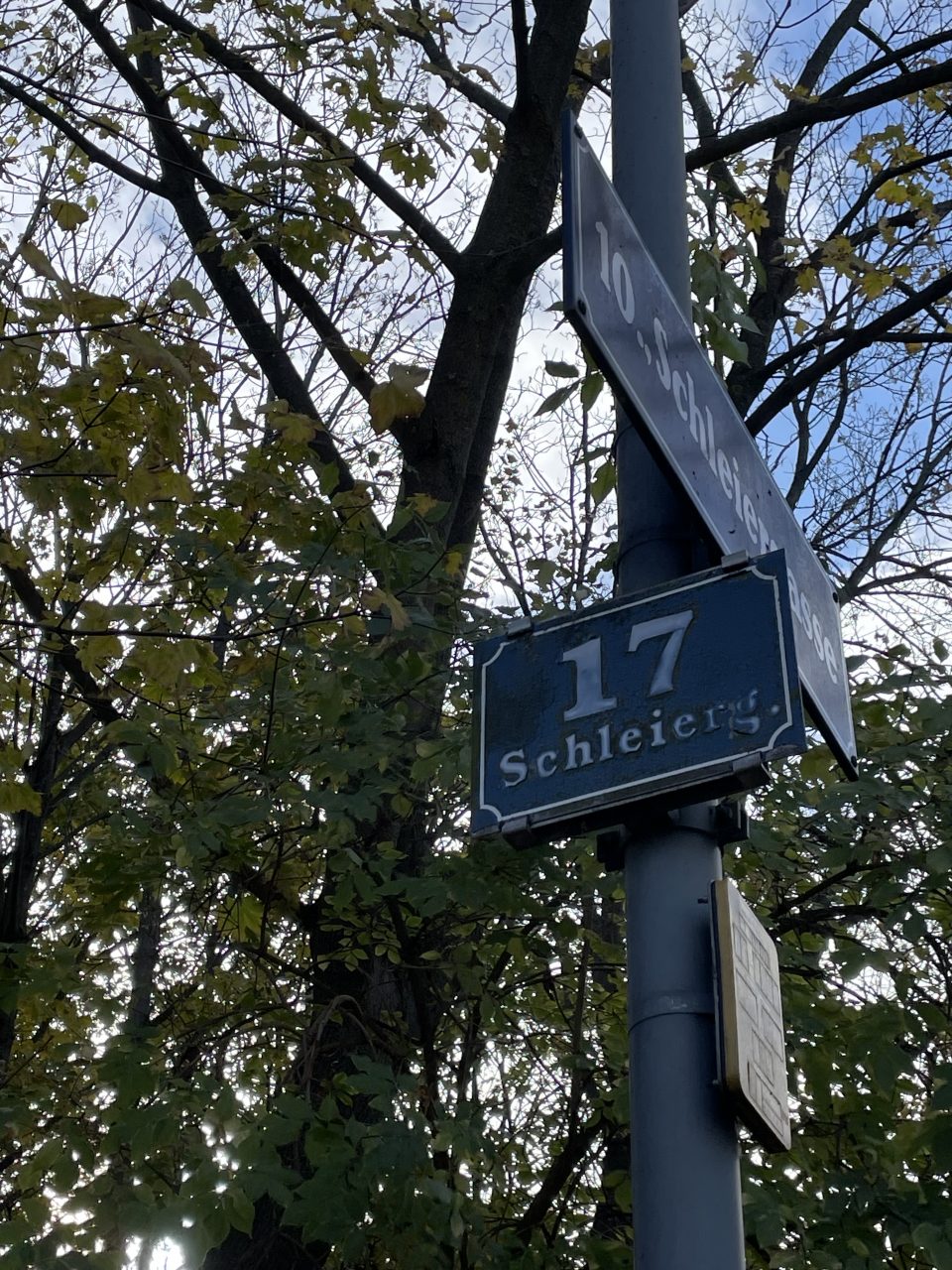
Today only few of the wooden barracks, which were used as workshops have remained; a part of the area was turned into a small park. The street signs with the address Schleiergasse 17, 10th district Favoriten, are still there:
My mother, Herta Tautz, was a master dressmaker and I remember the trips with her to the outskirts of Vienna, to the “Schleierbaracken”, to buy fabrics. There was an abundance of different fabrics on offer in the factory outlets at very low prices, which were affordable for the less well-off like us. The sales outlets for textiles were always crowded, because professional tailors as well as amateur seamstresses bought everything they needed for making clothes there. I always enjoyed the outings to the wooden barracks in the outskirts, which usually took half a day, because that meant my mother would sew some new dress for me.
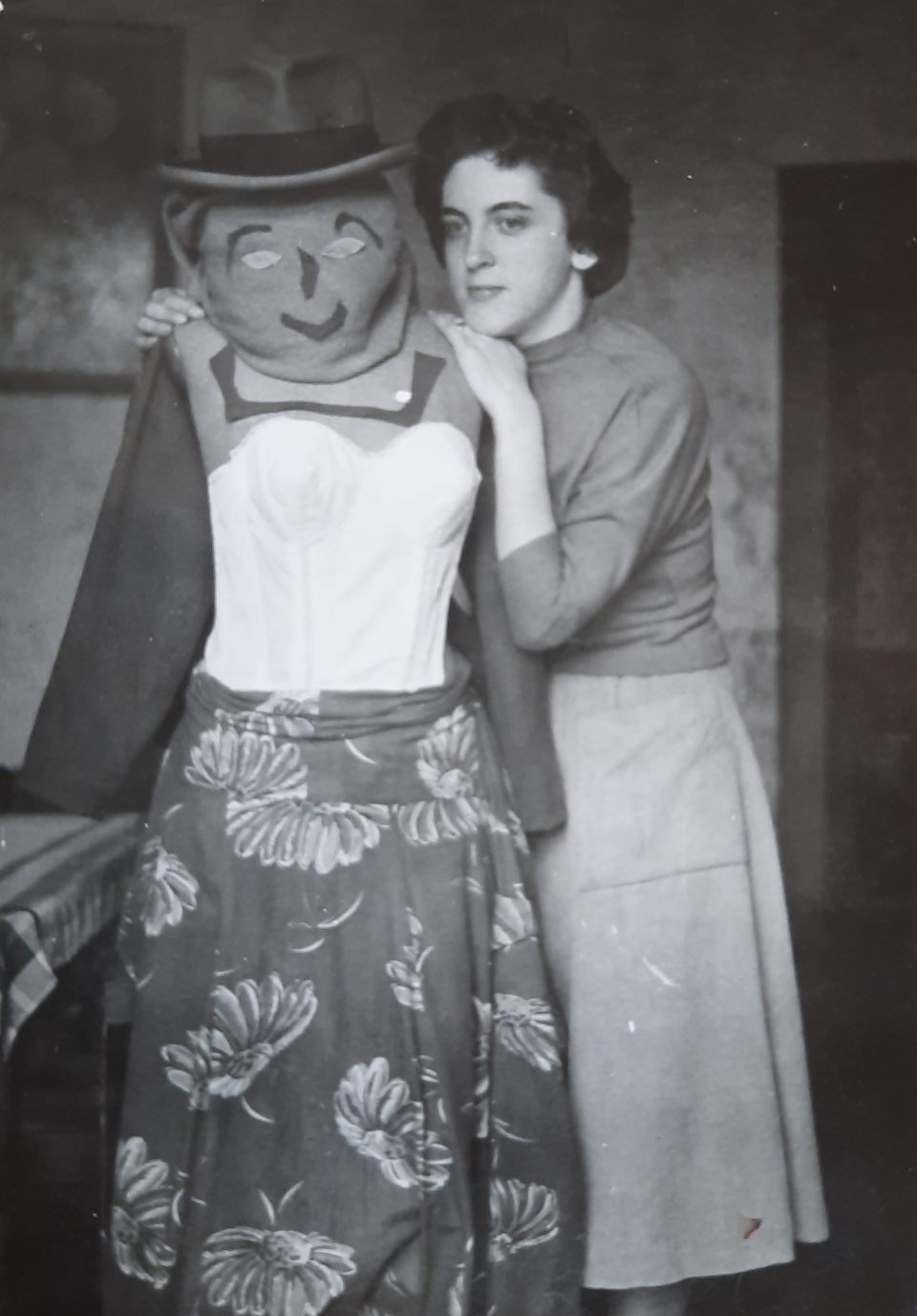
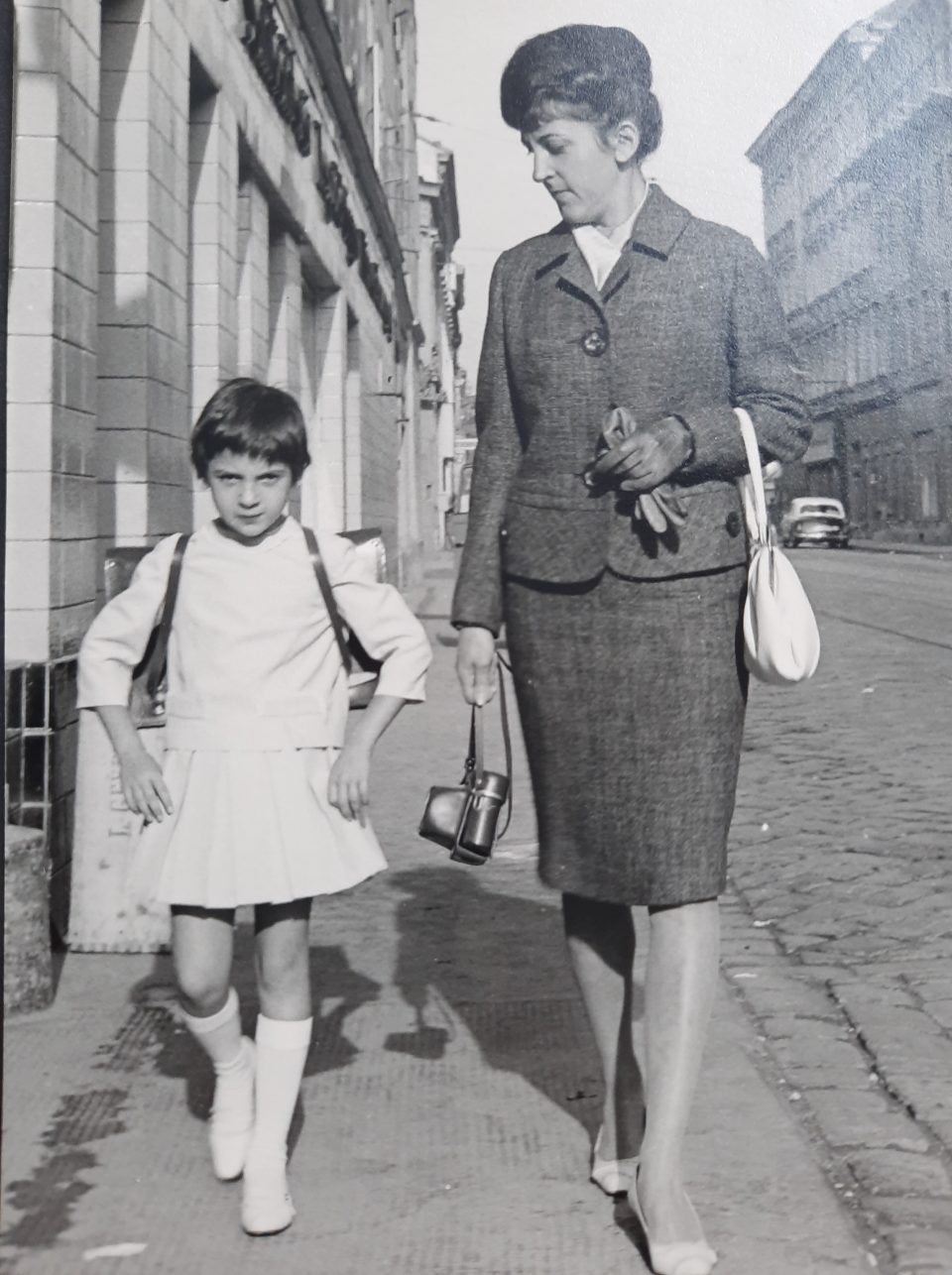
Herta, the seamstress (left), me and Herta, my mother, both of us dressed in her creations in 1963

Another much more interesting personal connection to the “Schleierbaracken” were the workshops which the youngest brother of my great-grandfather, Ignaz Sobotka, Wilhelm Sobotka, had rented there in 1919 and where he printed textiles until the Nazis disowned him because of his Jewish origin and seized his business and all his possessions in 1938. He managed to flee Vienna with his wife Marta and his younger son Walter to Belgium, but was caught up by the Nazis there. They were deported to France, Camp des Milles in Drancy and from there Wilhelm and Marta were dragged to Auschwitz, where the couple was murdered on 19 August 1942 in the Nazi KZ (concentration camp). Their two sons, Hans and Walter Sobotka, survived and miraculously the photo album that celebrated the 10th anniversary of the foundation of the textile printing company was rescued, too. Hans, born in 1920 in Vienna, fled to England with the album and joined the British Army to fight the Nazis. After the end of World War II, he moved to Australia, but the landlady, where he had stayed in England had kept his photo album safe all those years and when he came to England to visit her, she handed over this album. It contains photos of the workshops in the “Schleierbaracken”, the workers, the office, and the shop in the 1st district of Vienna, Tiefer Graben. The photos of Wilhelm’s album are © Valérie Sobotka & John Stenford.
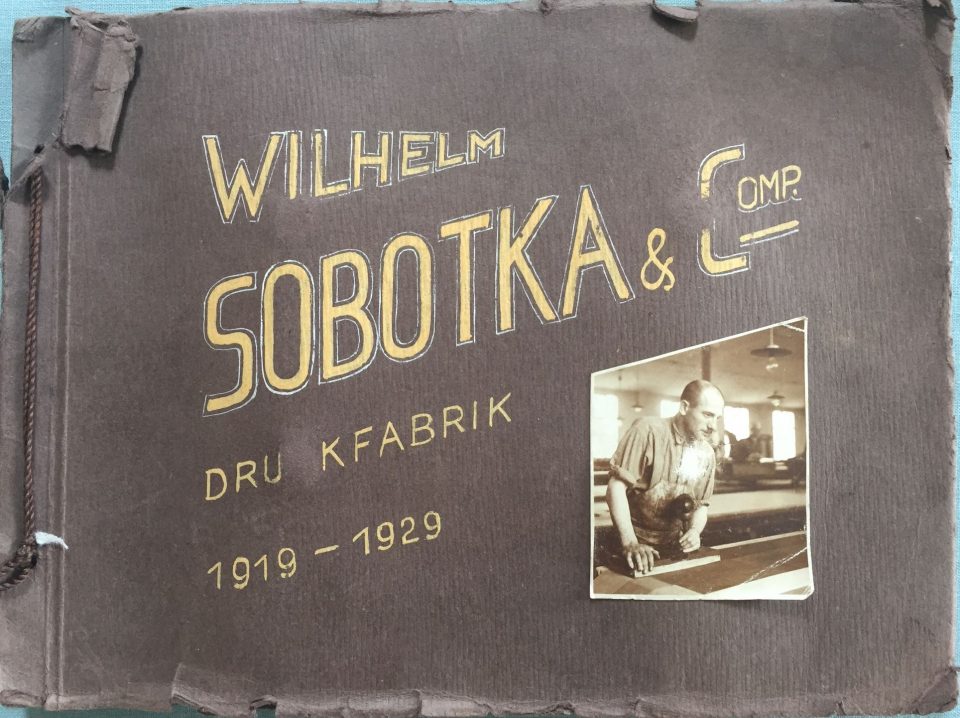
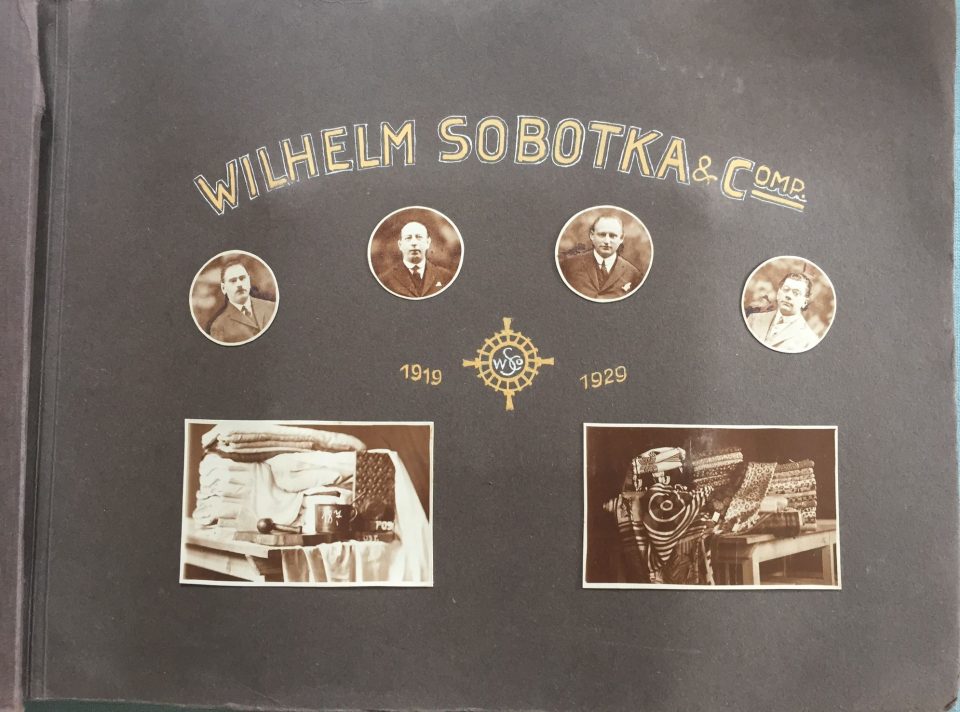
 

“Wilhelm Sobotka & Partners, Printing Factory 1919-1929” with a photo of a worker (left) and all four partners, Wilhelm on the right, with samples of the printed fabrics they produced in the “Schleierbaracken” (right)
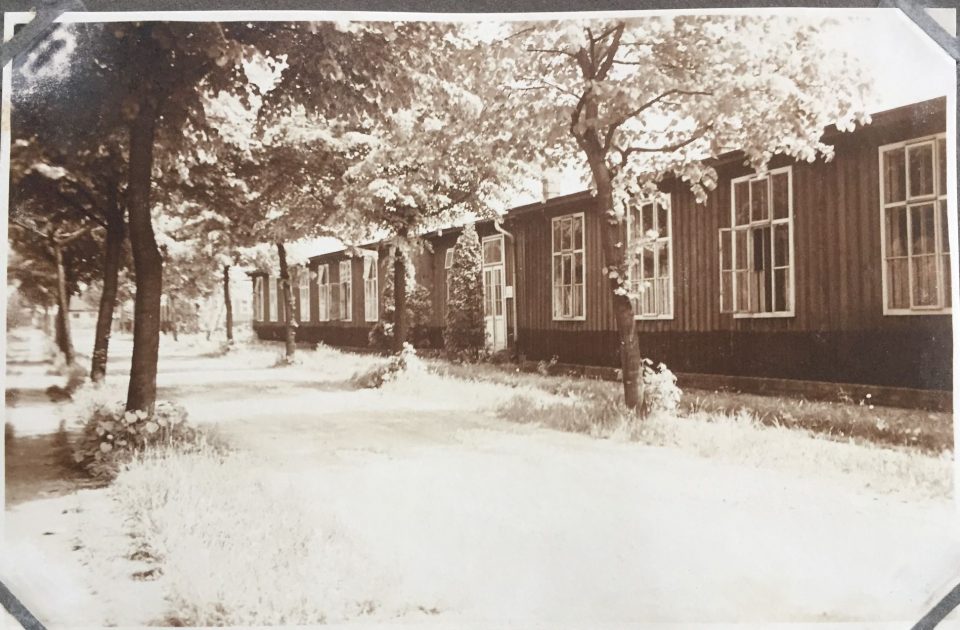
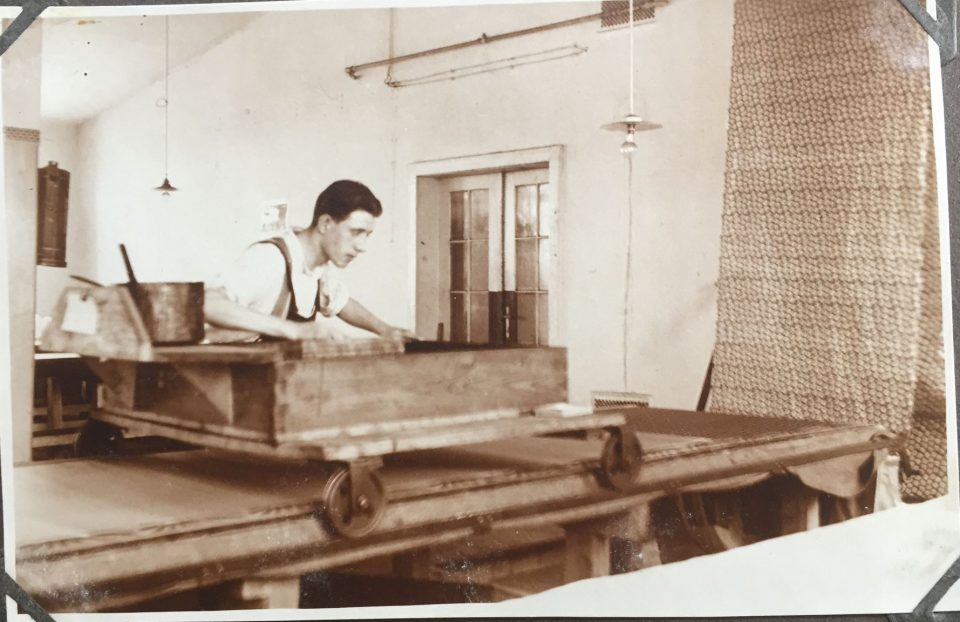
One of the company’s workshops in the “Schleierbaracken” (left) and inside a workshop a worker printing a cloth (right)

Another much more important hub of industrial history in Favoriten was the “Wienerberger” brick factory on the Wienerberg, where Josef Sobotka, the father of Ignaz and Wilhelm worked as a foreman. How did this come about? Josef Sobotka was born in Chysky in today’s Chechia, then part of the Austro-Hungarian Monarchy, with a sizable Jewish minority. He married Rosalia Fried, called Sali, from Brno. The new Imperial State Treaty of 1867 allowed the Jewish minority to move freely inside the Habsburg Empire and to train for and exercise all trades, offering freedom of movement and freedom of trade to all citizens of the Austro-Hungarian Empire. Josef and Sali took the chance to leave the impoverished place of Chysky with their first three children, Hermann, Julius and Amalie, called Mali, and moved to the capital city of the Empire, Vienna around 1869. Josef found work in the huge brick factory “Wienerberger”, south of Vienna in Oberlaa  as a foreman. In Oberlaa their last three children Ignaz, my great-grandfather, who later ran a brewery in Kaiser Ebersdorf near Vienna, and Wilhelm, who became an entrepreneur in textile printing, and Leni, were born.

The huge brickyard was basically run by thousands of poor, often illiterate Czech menial workers who had migrated from Moravia and Bohemia to Vienna to find work. It can be assumed that Josef Sobotka, who was literate, spoke German and seemed to have had some basic education, as most male Jews living in Bohemia and Moravia, was hired in a more elevated position, namely as a foreman or crew leader at “Wienerberger’s”. This meant that he and his family enjoyed better living and working conditions than the vast majority of unskilled workers, called deprecatorily “Ziegelböhm” (Brick Bohemians) by the Viennese. They lived on site of the factory, renting one of the worker’s dwellings for families of artisans and crew leaders, “Ober Laa 153” (see birth certificate of Ignaz below), consisting of two rooms and a kitchen. It is possible that Josef had already worked for a Czech landowner in Chysky, as these landowners sometimes employed members of the Jewish minority to run small brick yards or furnaces in the countryside on the basis of their rudimentary education in reading, writing, and arithmetic.

Ignaz was born in 1872 and Wilhelm, called Willi, in 1889 in Oberlaa and the family formed part of the Viennese proletariat. They renounced all connections to Jewish traditions and lived a secular life, completely merging into the indigenous Viennese milieu. Josef wanted his offsprings to fit into the Viennese society and climb the social ladder. Josef had a jolly character; he loved drinking and gambling, but he also saw to it that all his four sons learned a trade, which enabled them to become part of the Viennese middle class and escape the poverty of the proletariat. In 1890 Josef Sobotka had already been promoted to brick yard manager in the factory in Breitensee, then in the 16th district of Vienna, Ottakring, today in the 14th district (see document “Lehrzeugnis” below).

VIENNESE SUBURBAN COFFEE HOUSES UNTIL WORLD WAR II

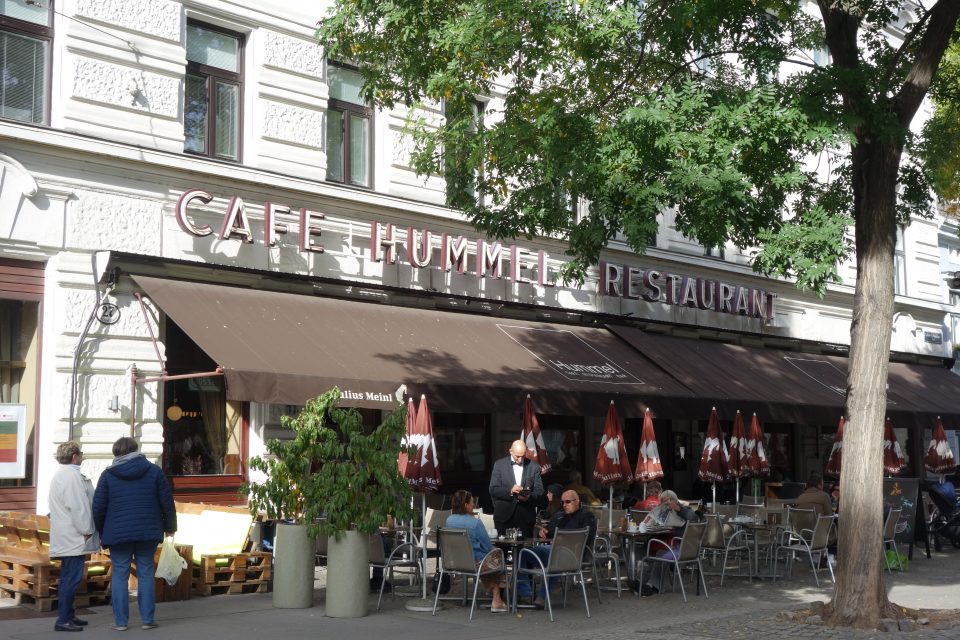
Café Hummel, Josefstädterstrasse (next to Hamerlingpark) in the suburb of Josefstadt. The house was built in 1805 and in 1856 an inn opened there which was later turned into a coffee house. In 1896 a vaudevillian singer, Carola Biedermann, wife of the Viennese folk singer Julius Biedermann took over the coffee house and named it “Café Carola”. This coffee house offered separate reading and gaming rooms, a smoking room and a ladies’ room, as well as a conservatory with palm trees. The couple had to flee from its creditors to New York and the new owner staged daily concerts and kept the coffee house open the whole night. Among the many owners that followed was Joseph Carlo Popper, who had worked as a lion tamer and circus employee in South Africa in his youth and had earned his living as a gold digger. In memory of his youth he called the coffee house “Café Pretoria”. The coffee house changed its name often until 1937, when the family Hummel finally bought it.

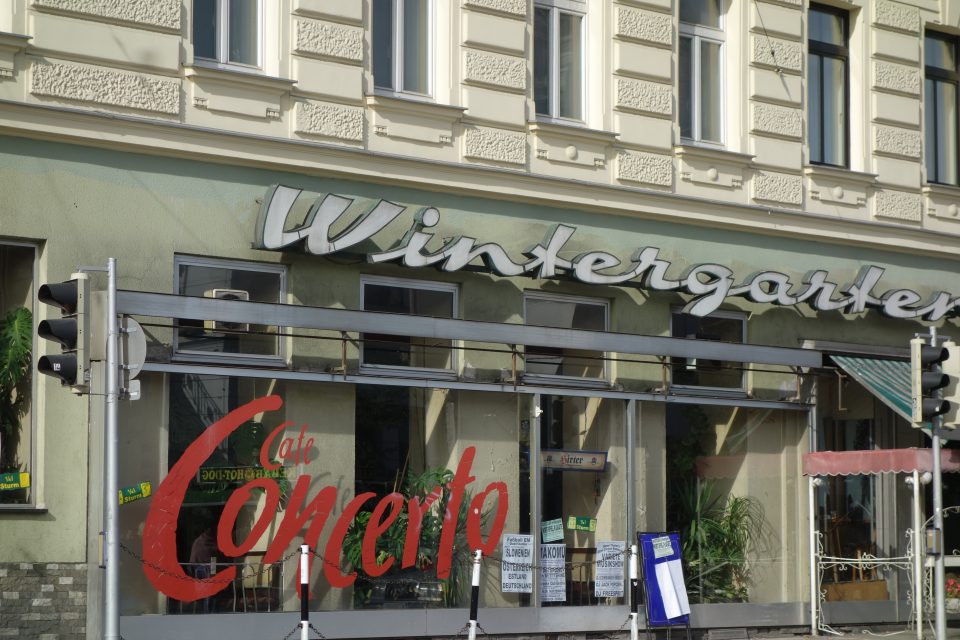
In the vicinity, just outside the “Linienwall” (today’s Gürtel) in the suburb Neulerchenfeld, a coffee house with a conservatory, palm trees and parrots continued this tradition until the 1960s, the “Café Wintergarten”, where I went with my grandmother, Lola, as a child. Today it’s a musical event location, the “Café Concerto”.

In 1934 my grandparents, Toni and Lola Kainz, took over the running of a coffee house on Hamerlingplatz in the suburb of Josefstadt. My grandmother loved the contact to the guests and my great-grandmother Ritschi (Rudolphine Sobotka) helped with the cooking. Her specialities were “Krautfleckerl” (small pasta with cabbage), a Jewish speciality that is much praised in Friedrich Torberg’s book “Die Tante Jolesch” (Aunt Jolesch), “Sulz” (brawn) and sweet dishes, such as “Buchteln”, chocolate cake and “Apfelstrudel”. The recipes of these coffee house classics have been passed on in the family.

Here are some simple and tasty recipes of Ritschi and Lola, which are typical Viennese coffee house specialities. There are not always precise indications of quantity as the recipes were communicated orally:

Simple chocolate cake

Ingredients: 40g butter, 100g sugar, 1 egg,  40g cocoa, some milk, 1/2 package of baking powder, 150g flour

Mix everything and beat for some time, then bake in the oven in a square baking dish until no longer liquid inside. Fill with the following cream:

100g butter, 3 soup spoons of cocoa, 2 soup spoons of black coffee, 3 soup spoons of sugar and whip everything until it is creamy

“Buchteln”

Mix 500g flour with active dry yeast, 250g butter, 3 eggs, 70g sugar and ¼ l of milk and beat for at least 10 minutes. Then put the dough in a warm place to rest for an hour. As soon as it has doubled its volume, cut it in small dumplings, fill them with a special plum jam (Zwetschkenröster) or sweetened cottage cheese, then dip the dumpling in melted butter and fill a square baking tray with the dumplings. Let the dish rest in a warm place for half an hour before baking in the oven until the dumplings are golden. Serve them still warm.

“Krautfleckerl”

Cook 250g small square noodle pasta “al dente”. Meanwhile slice half a white cabbage thinly. Heat a little lard, add a little sugar and cumin. Then fry the white cabbage until it is brown, add pepper and salt and in the end mix it with the small pasta noodles.

“Sulz”

Fill a pressure cooker with: 4 pig’s feet, and a pig’s tail, 400g tender pork meat, an onion, two garlic cloves, salt, pepper, 1/8 l of vinegar, a carrot, some celery, some parsley and fill the pot with water until everything is totally covered. Cook in the pressure cooker for an hour. Then pour the liquid into a porcelain bowl through a sieve and cut up the meat in small slices together with some of the jellied skin of the pig and stir it into the liquid. Put it into the fridge overnight. When solid, cut it up in slices and serve with thinly sliced onions and a little bit of vinegar and sunflower oil.


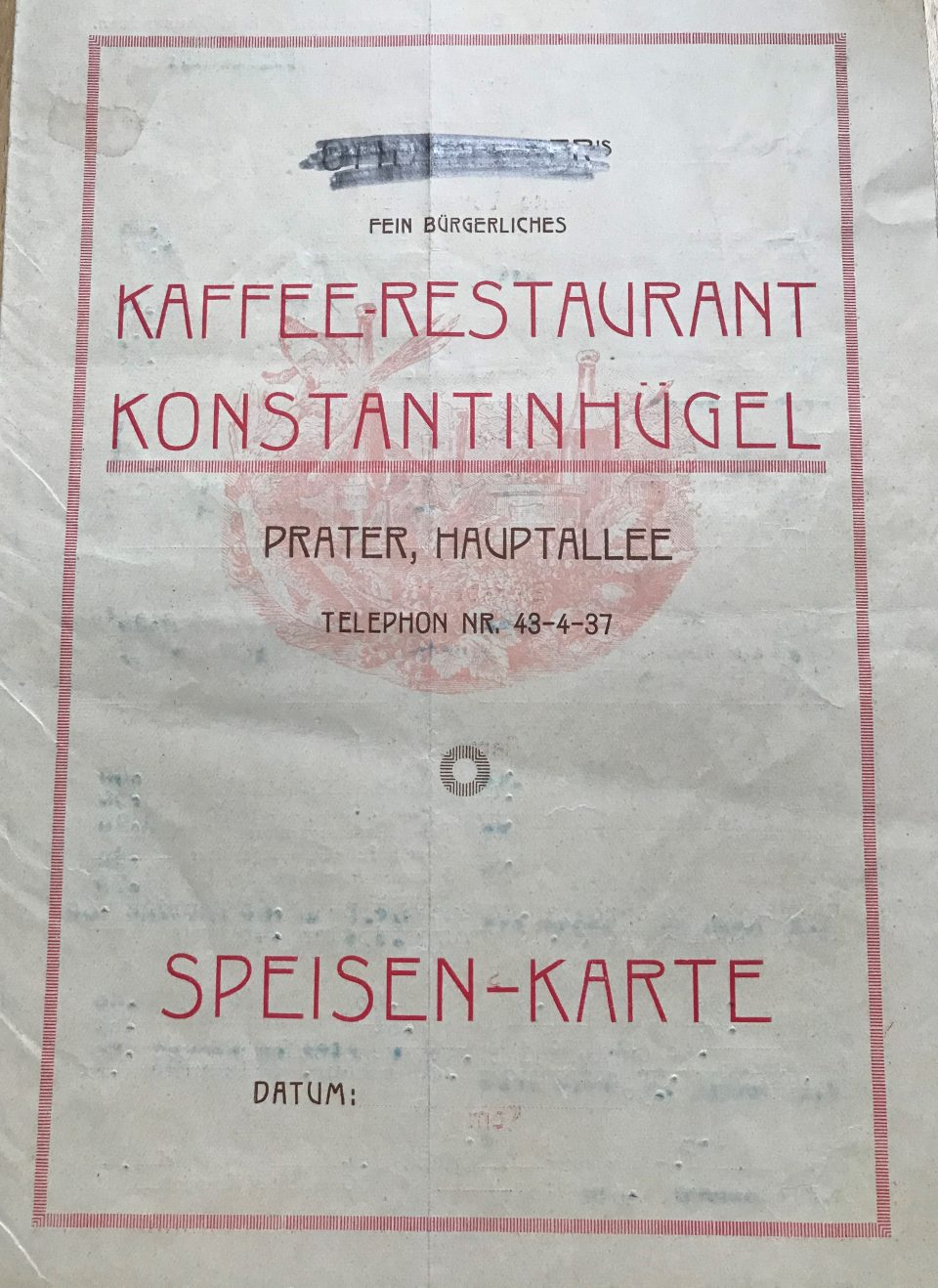
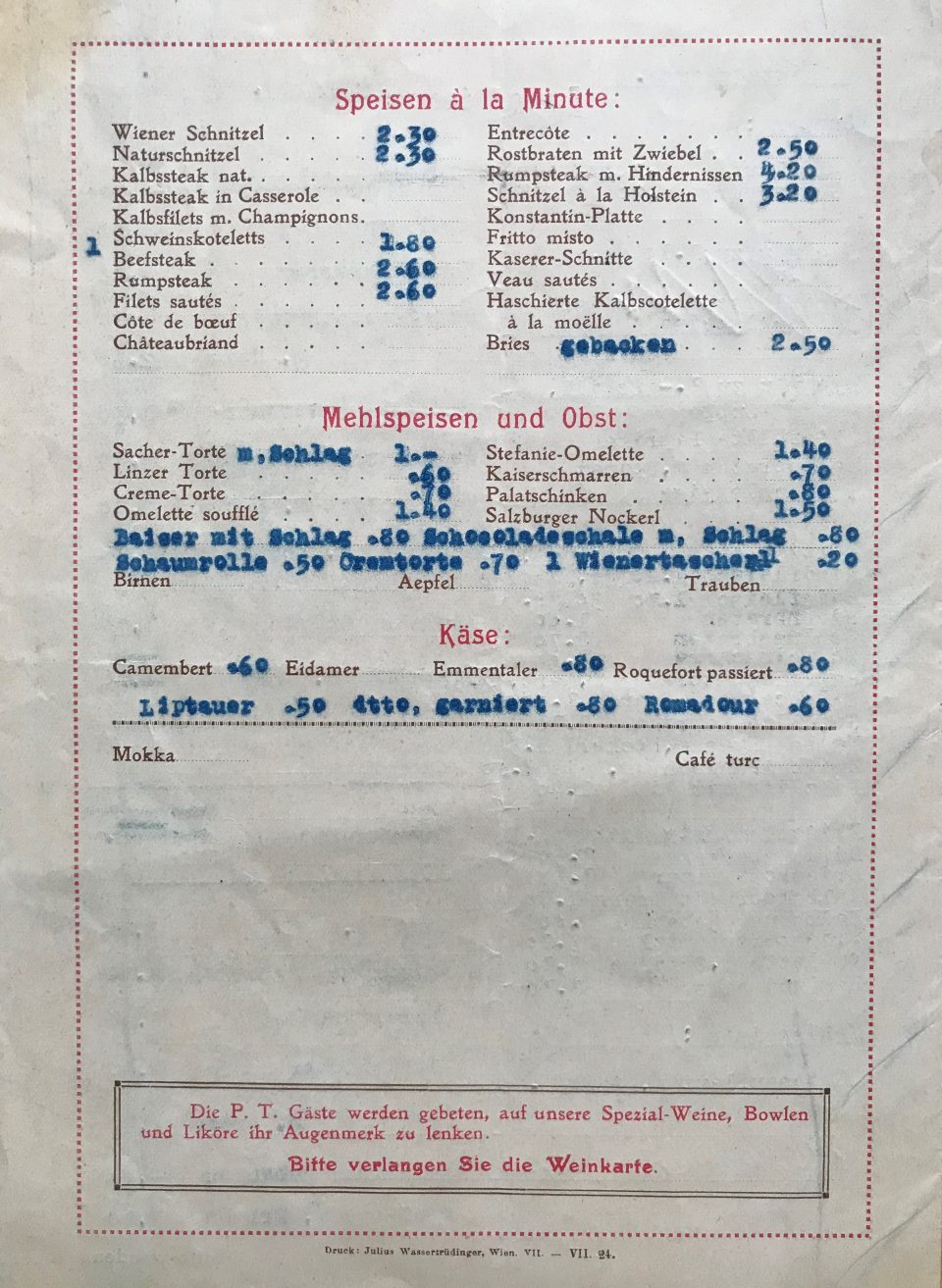
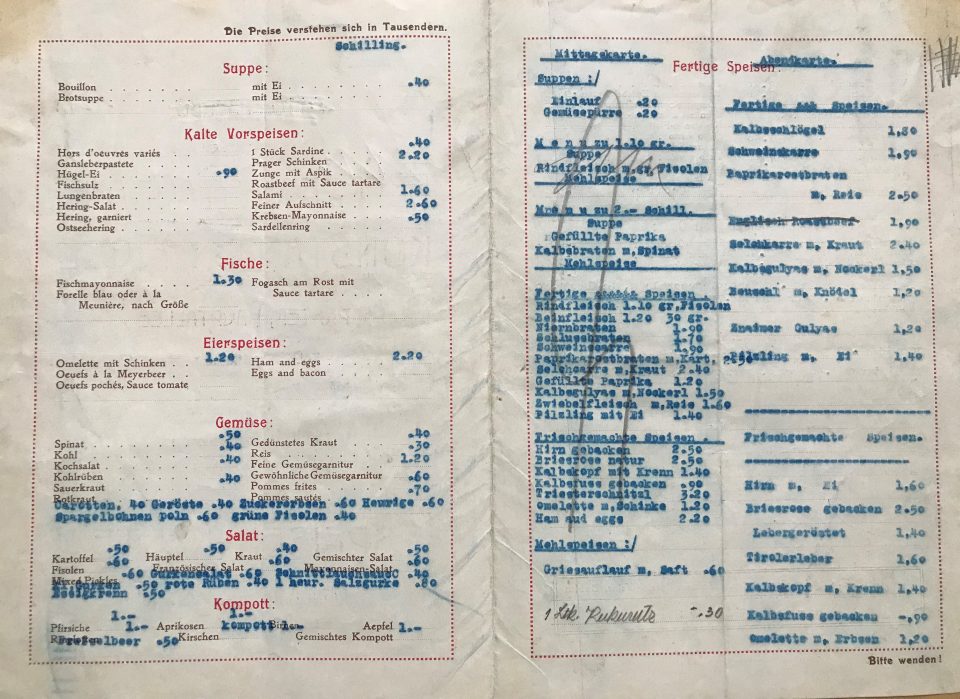
Menu card of the coffee house and restaurant in the suburb Leopoldstadt, Prater “Konstantinhügel” , 1927

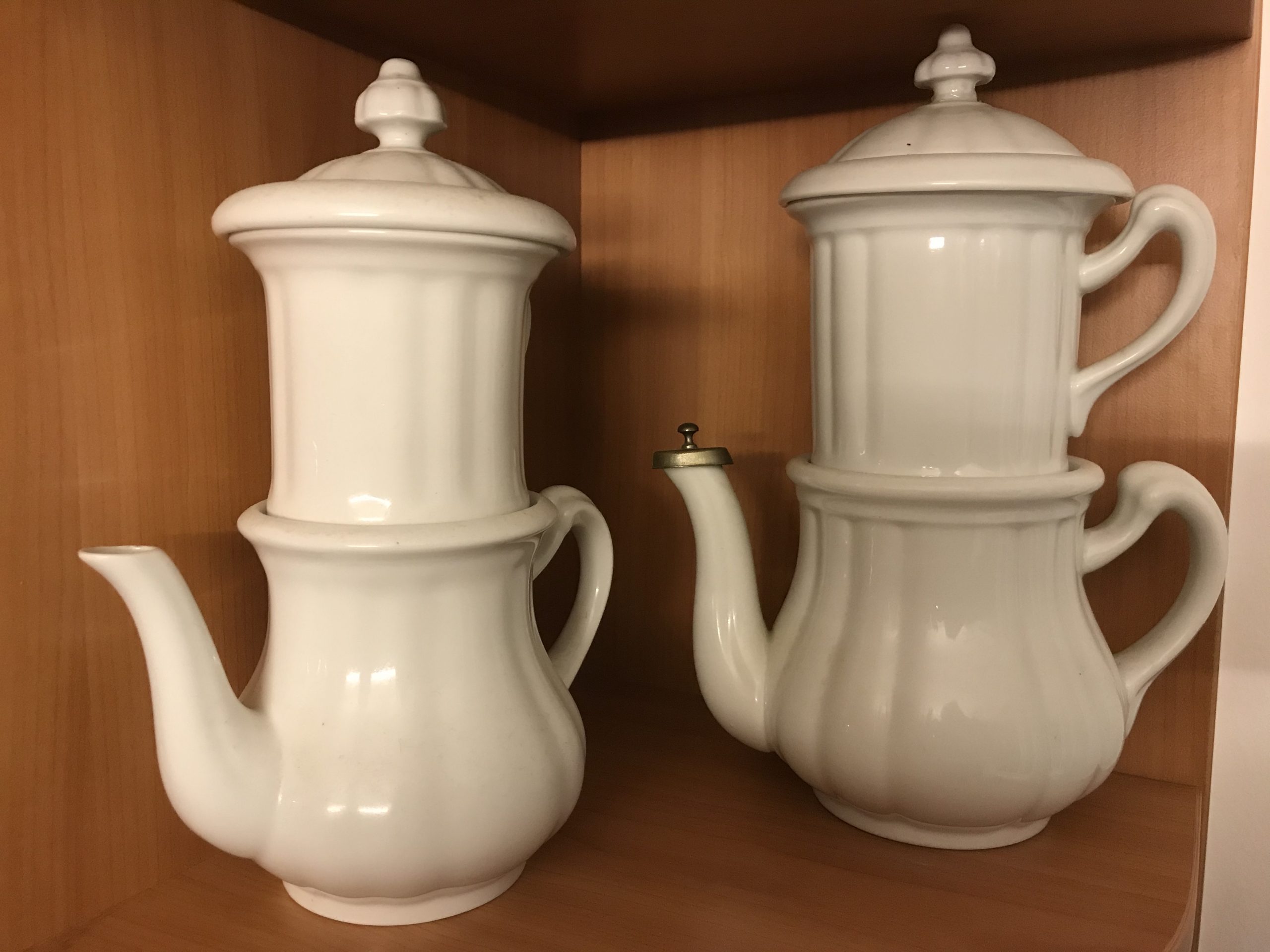
In some Viennese coffee house coffee was formerly made in the traditional porcelain “Karlsbader” coffee makers – widespread in the Austro-Hungarian Empire. Two of my grandmother’s “Karlsbaders” have survived. When preparing the coffee, she added a pinch of salt and a spoonful of cacao to the ground coffee beans in the porcelain sieve before slowly pouring the boiling water over it.


“Karlsbader” coffee makers

VIENNESE SUBURBAN INNS AND THEIR INNKEEPERS UNTIL THE 1950s

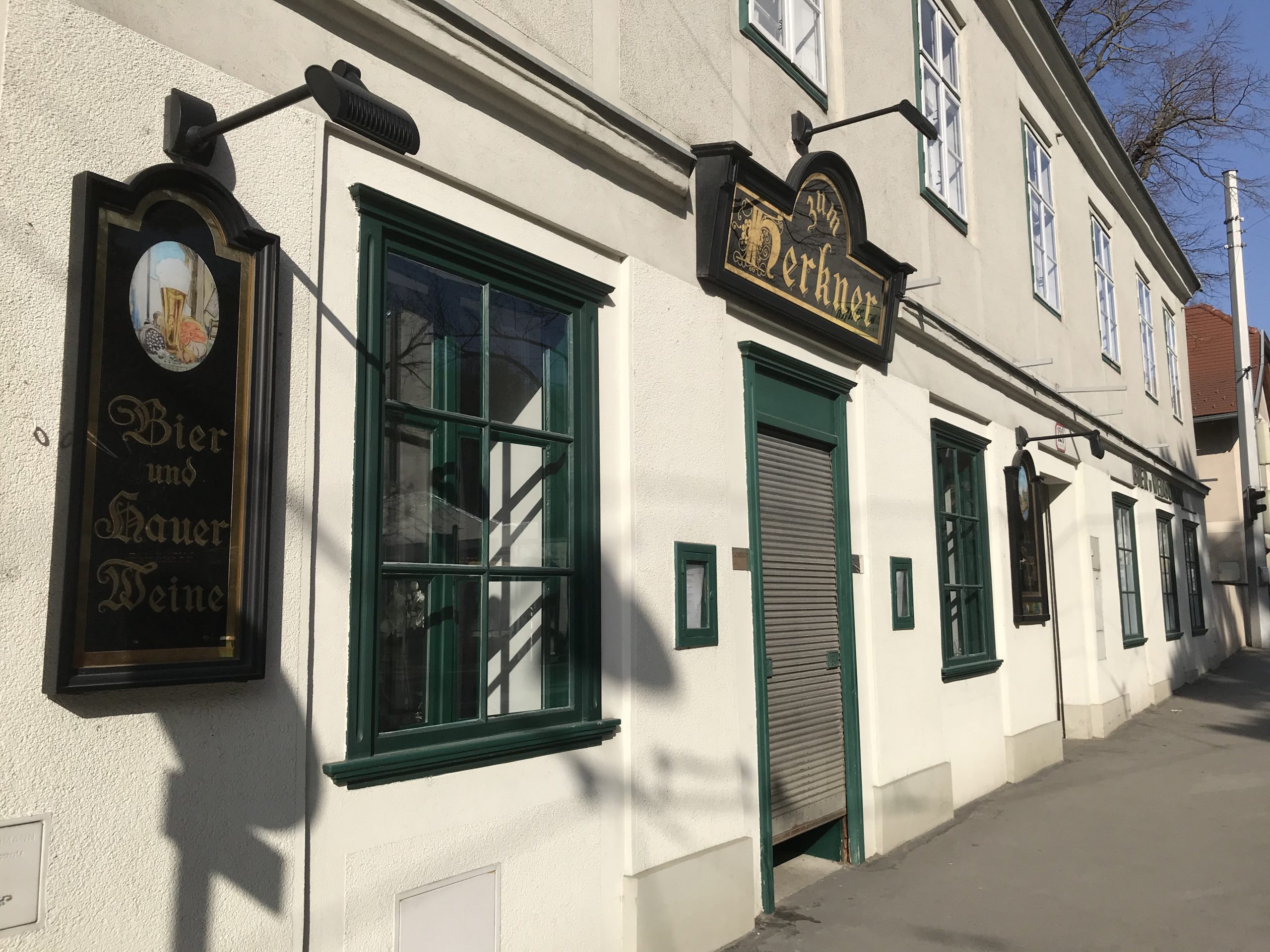
The suburban inn “Zum Herkner” in Hernals. It is located at the final stop of the tram 43, which follows the tracks of the old horse-drawn tram that brought the Viennese to the many entertainment locations in Hernals in the 19th century
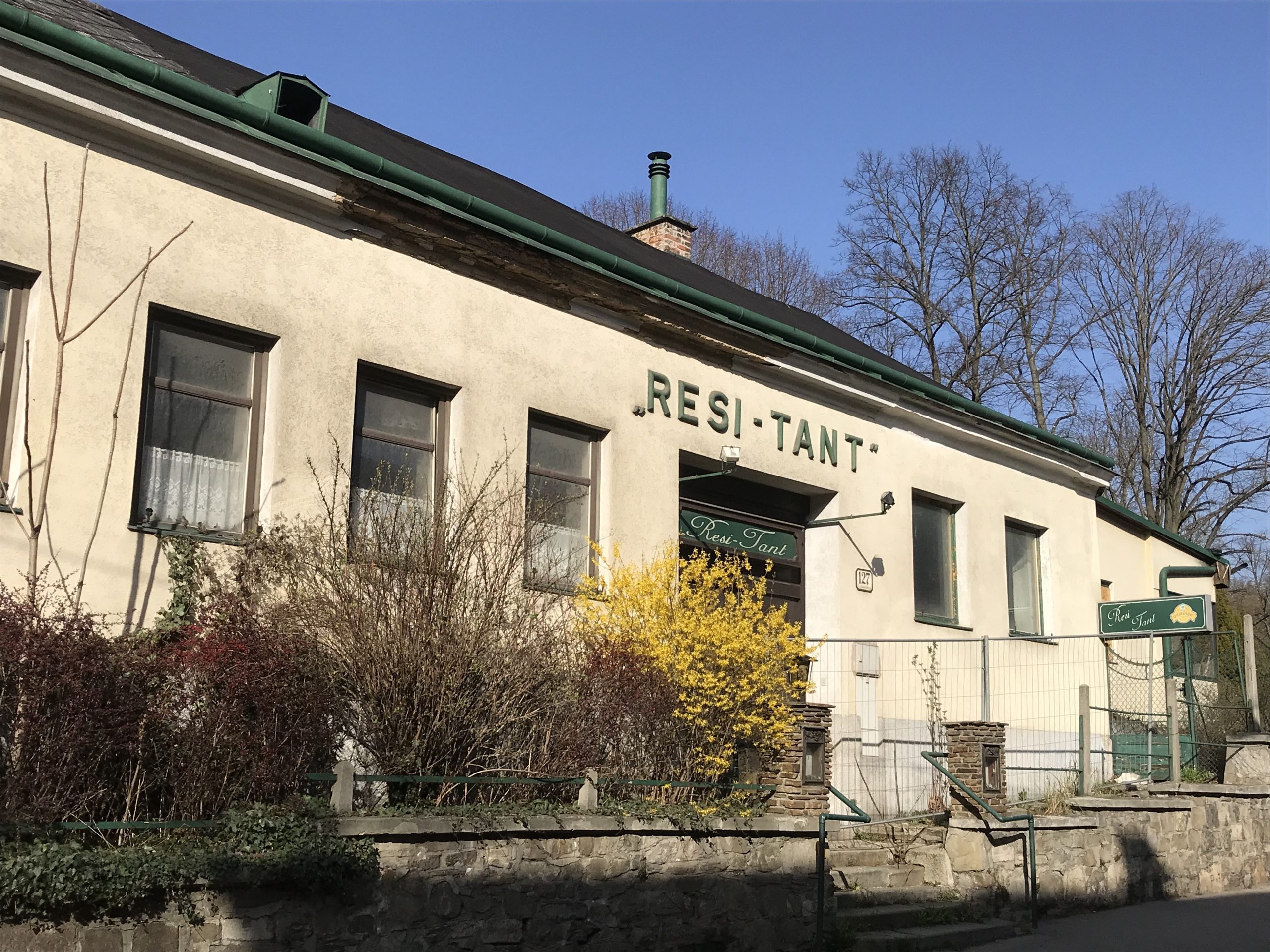
The very popular suburban inn next door, “Resi-Tant”, burnt down in 2010 and is now closed. A factory owner had this inn constructed to the tastes of his wife Resi in the 19th century. Until the 1930s the inn had its own orchestra, which performed every evening

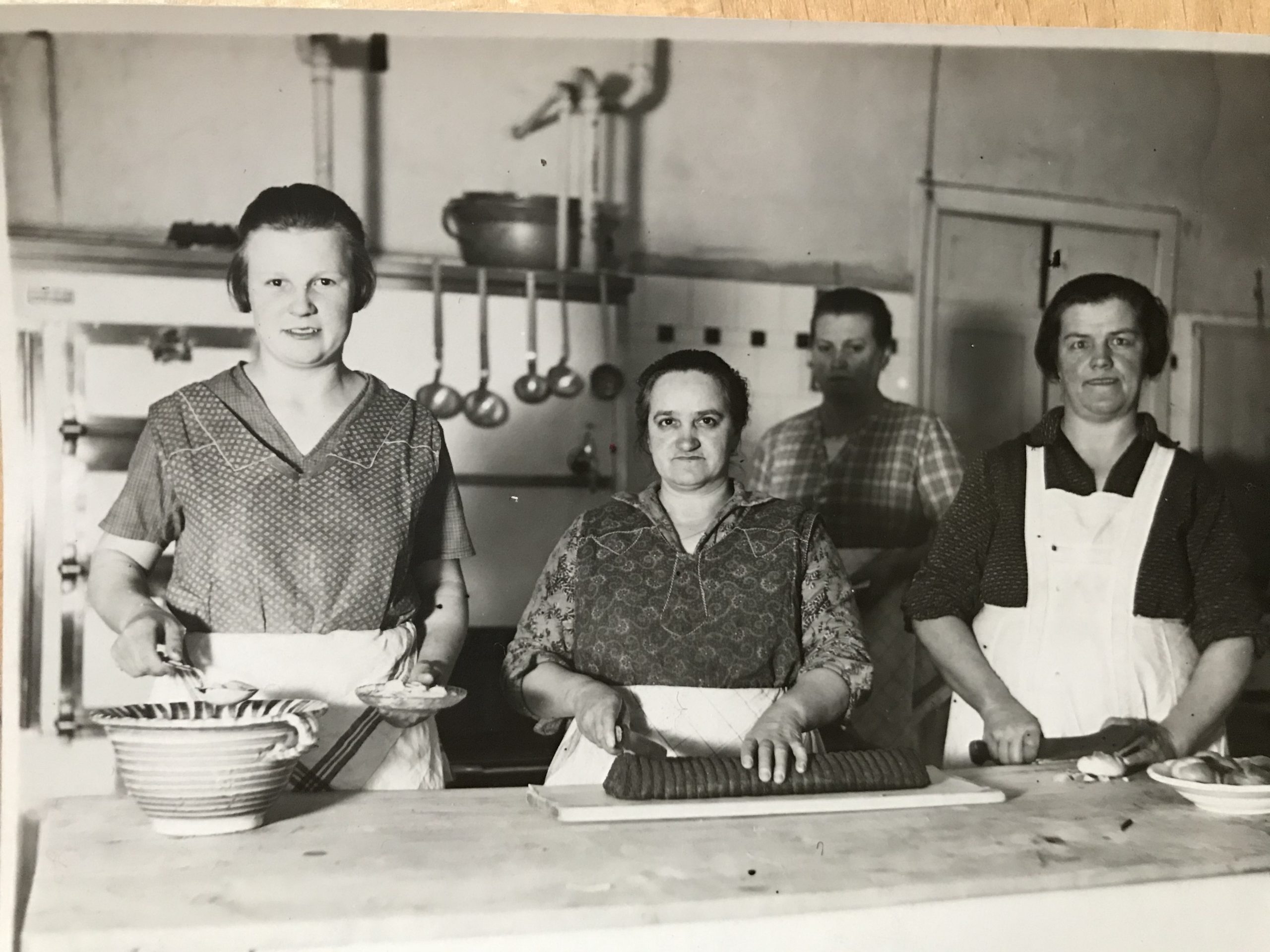
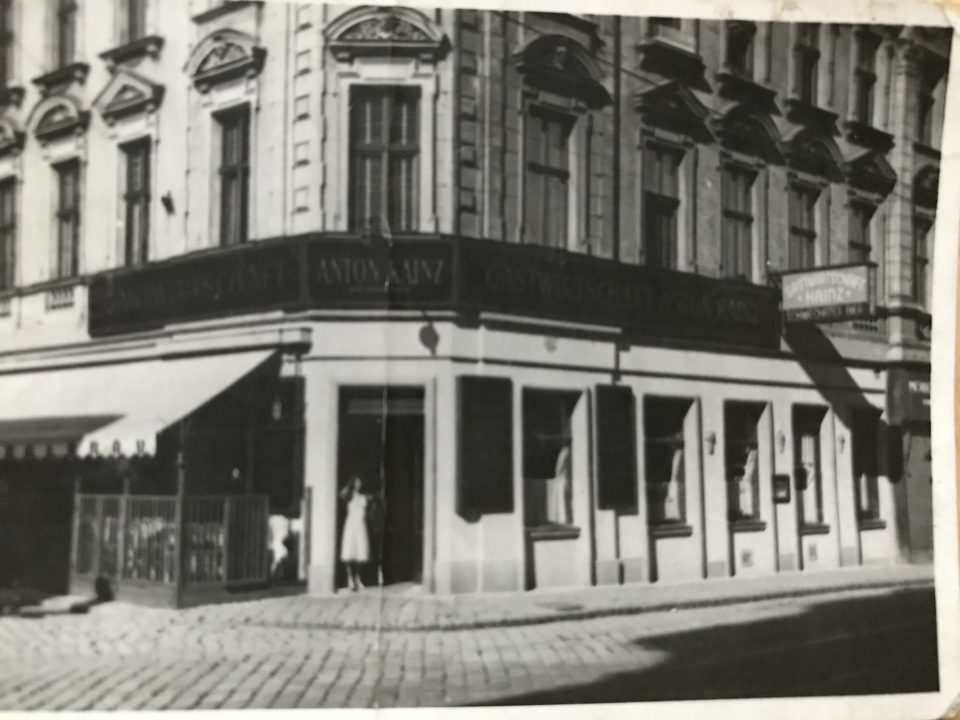
Anton Kainz senior, my great-grandfather, was the innkeeper in the outer suburb of Vienna: Währingerstrasse 146 in the 18th district. My grandfather, Toni was raised there and as he was destined to take over the running of the inn, he was trained as a waiter and cook and went abroad to perfect his catering skills working as a waiter and cook in hotels and restaurants in Switzerland and other fashionable destinations of the bourgeoisie of the 1920s. After the early death of his father his mother took over as innkeeper and when Toni fell desperately in love with my grandmother, he married her against the will of his mother. His mother resisted the marriage because she considered Lola, a beautiful Jewish shop girl in a confectionary shop, an inappropriate match for her middle-class son and heir to an inn. Nevertheless the young couple moved into a tiny room above the inn and worked in the inn alongside the grumpy and tyrannical Mrs. Emilie Kainz, the widowed innkeeper. Toni was the manager of the inn since 1931, but his mother remained the innkeeper; a constellation that could never have succeeded. She continuously harassed both of them until they decided to leave and rent a coffeehouse in the 8th district, Josefstadt. Emilie Kainz was born Emilie Ühlein, daughter of the innkeeper Rudolf Ühlein in Nußdorferstrasse 50 in the 9th district. She must have been the prototype of the strict, rough and uncompromising Viennese innkeeper’s wife, as on can see in the photo:


The innkeeper Emilie Kainz in the background in the kitchen of the inn “Anton Kainz”
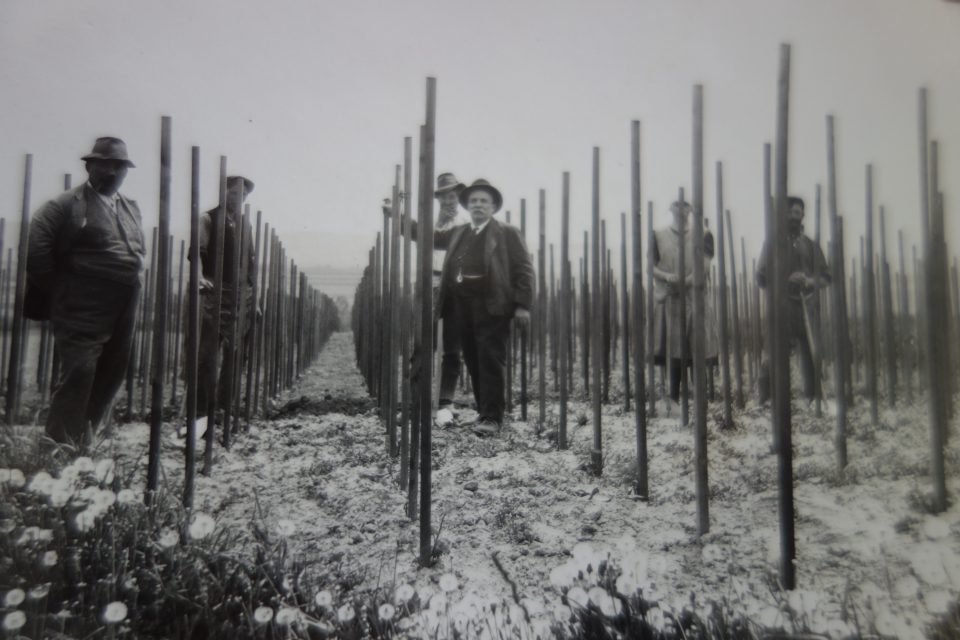
A vineyard belonging to the inn together with a wine cellar in Stammersdorf
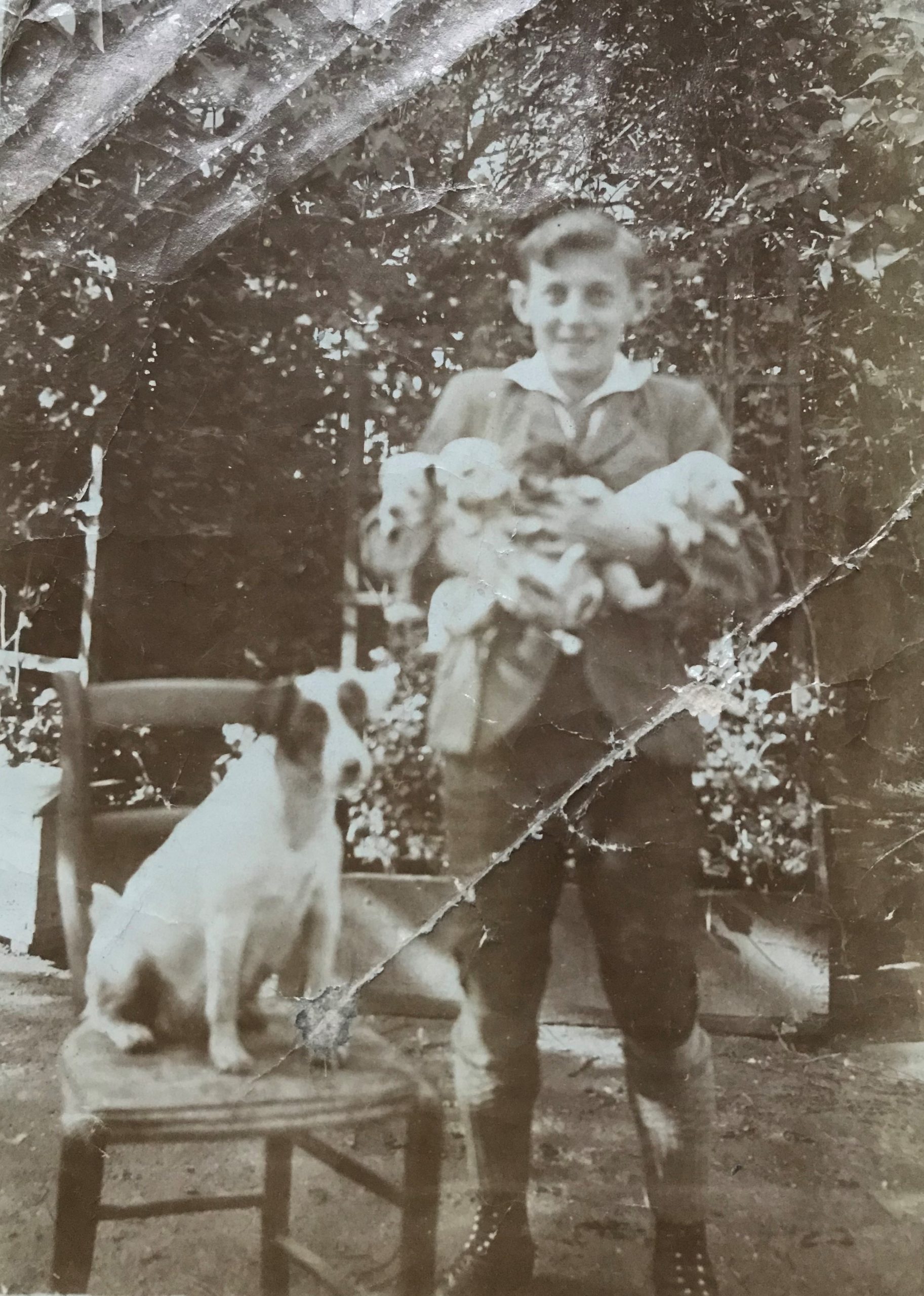
Toni as boy with the litter of his dog

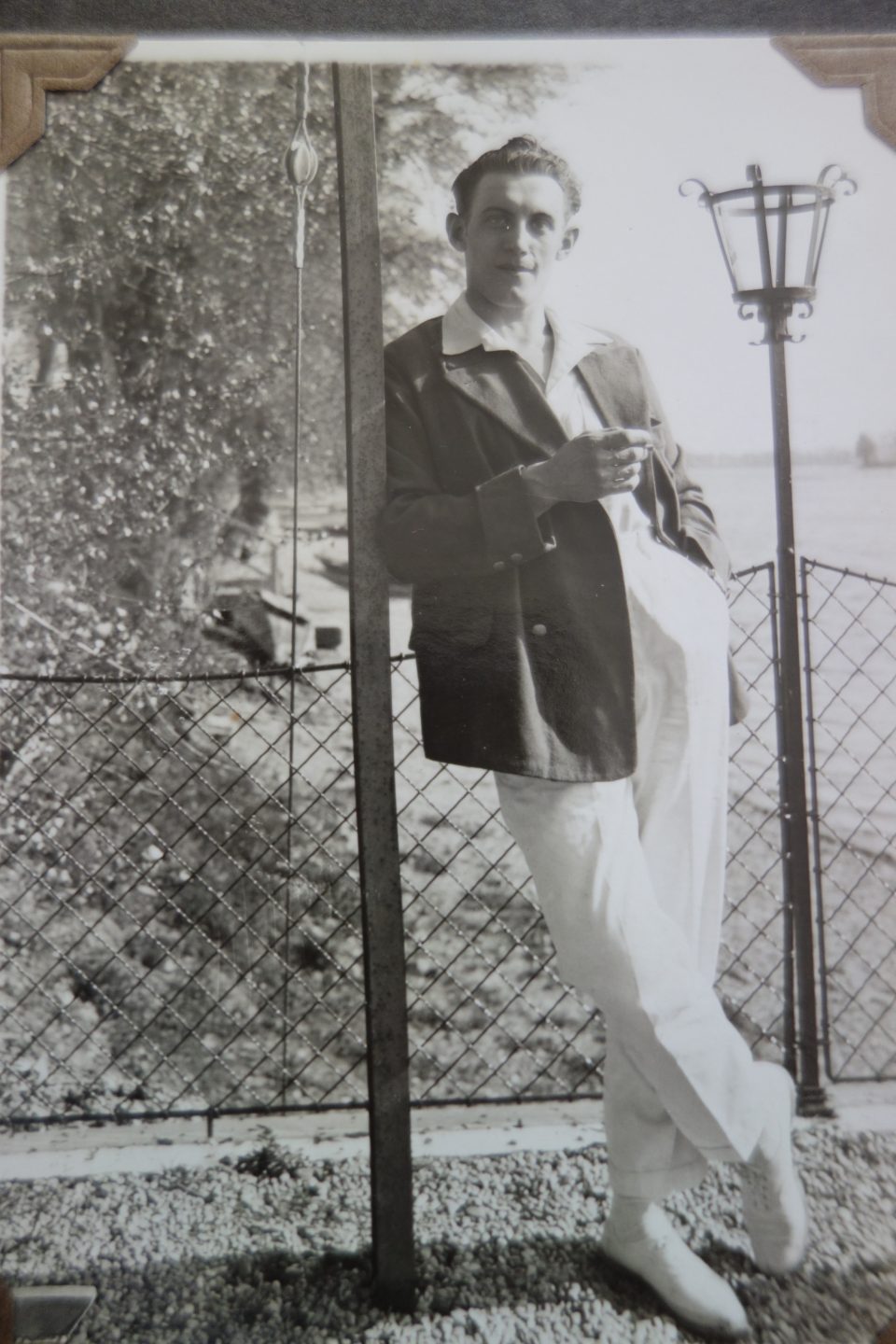
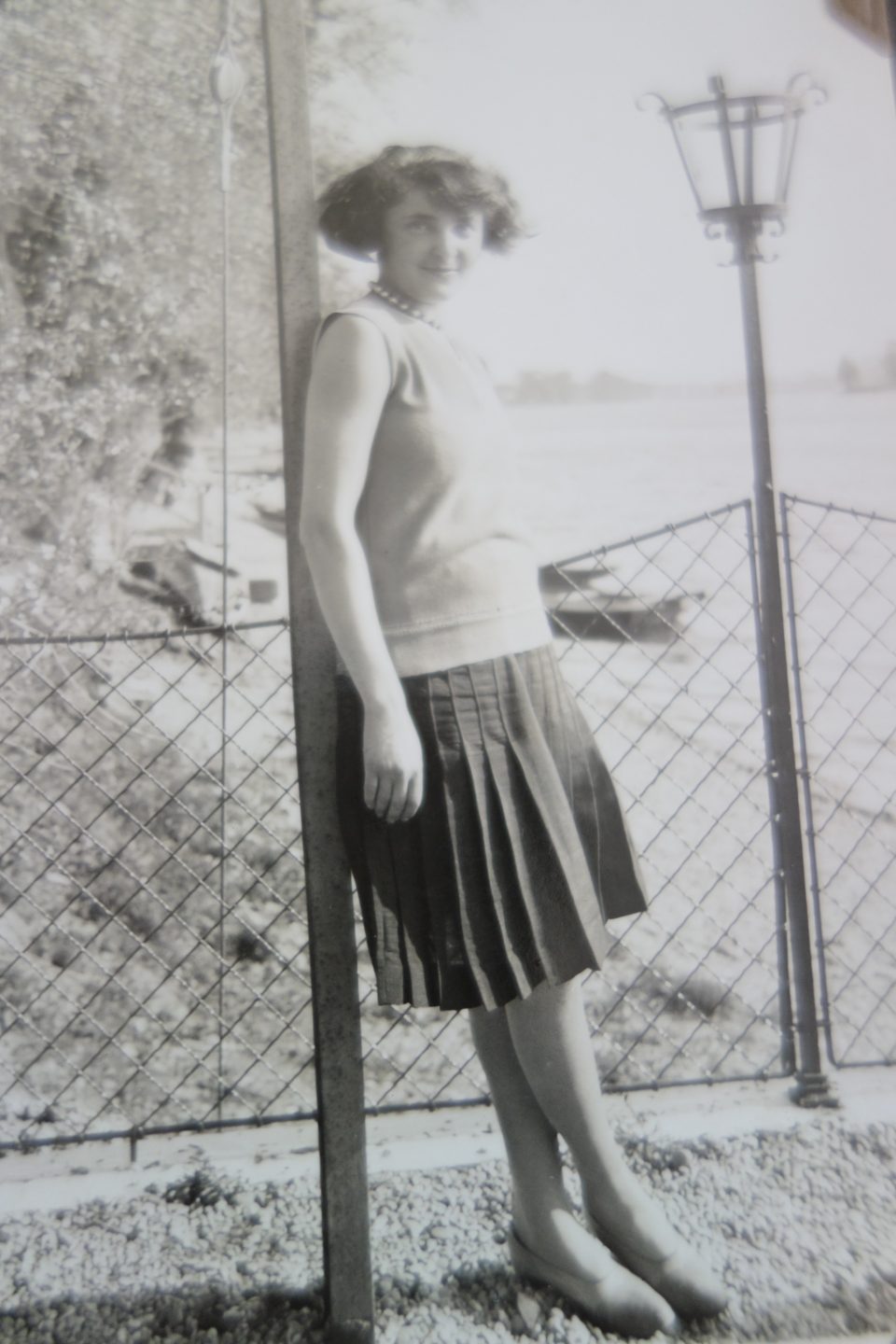
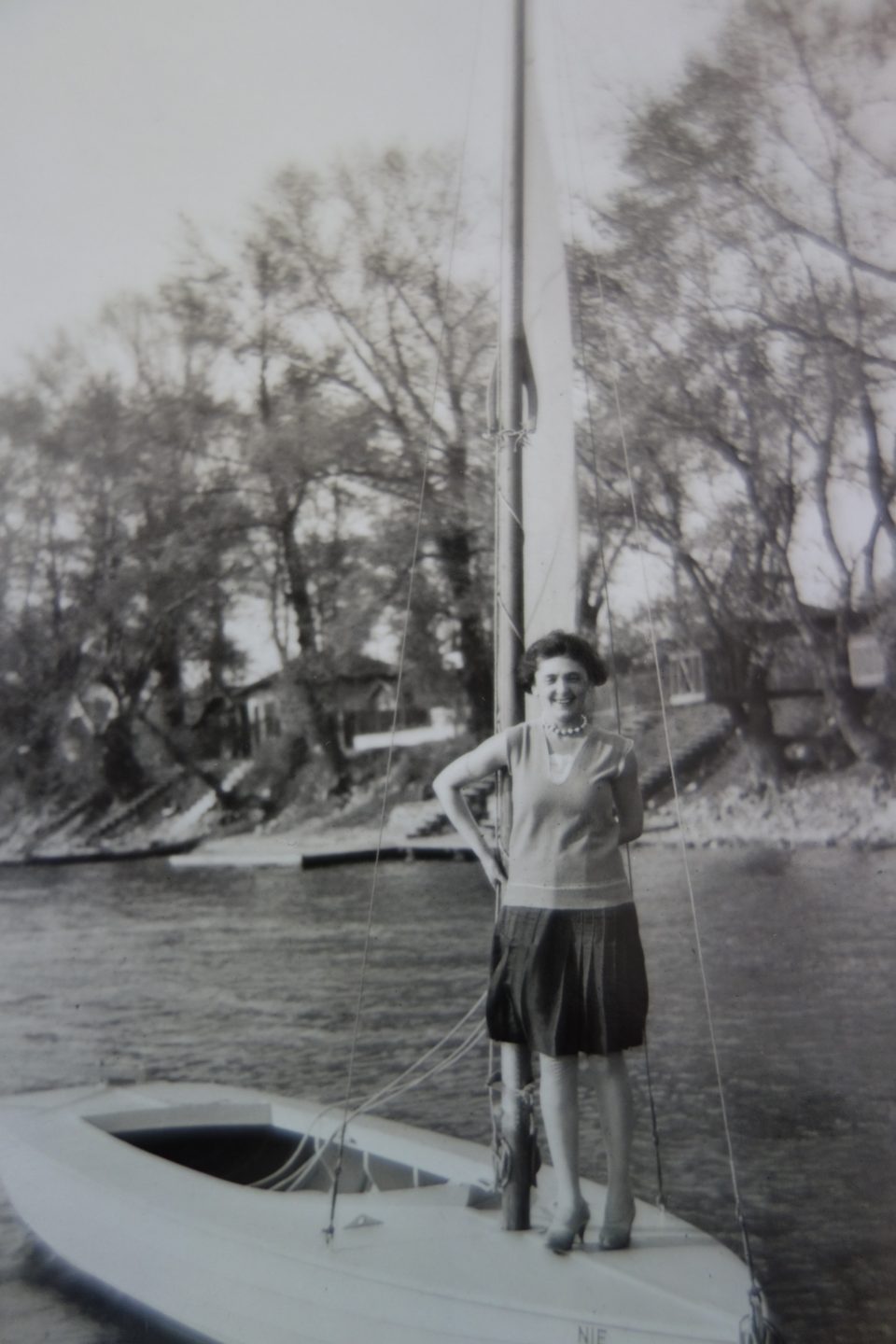
Toni and Lola, the “young bohemians”: They both enjoyed the carefree life of middle class Viennese youngsters in the “Roaring 1920s”.

My grandmother remembered that they both, Lola and Toni, were not cut out for an innkeeper’s career and that they were definitely not gifted entrepreneurs, in fact they were lousy managers. They never seemed to regret not running the “Anton Kainz” inn. Lola immensely enjoyed the company of the guests, but she was no good in the kitchen, where she was supposed to work as long as her mother-in-law was the innkeeper, and Toni loved cooking, but rather for family and friends. He was a rather withdrawn person with lots of aesthetic and philanthropic interests such as philately, music, photography, painting, woodcraft and he loved sport, but not necessarily managing an inn.

FIN-DE-SIECLE VIENNA: LIVING CONDITIONS OF THE WORKING CLASS

Statistical data of the time just before the outbreak of the First World War still show a considerable amount of children below the age of 14 at work in Vienna. This seems proof of a very slow retreat of child labour in Vienna. The phasing out of child labour was more due to a change in work technology than social protest. Another important impetus for the end of child labour in Vienna was the introduction of the “Reichsvolksschulgesetz” of 1869. This law extended compulsory schooling from six to eight years. Although it has to be noted that the law stipulated several exceptions because especially working class families depended on the income of the children and a loss of this income would have jeopardised their existence. Many working class parents considered obligatory school attendance a nuisance and refused to have the state prescribe what they were supposed to do with their children. Most considered three years of schooling as sufficient. In the late 19th century compliance with obligatory school attendance was the exception rather than the rule in Vienna. Before the turn of the century the authorities executed more rigid supervision, so that by 1900 the start of work for Viennese working class children had been postponed to 12 – 14 years of age.…

VIENNA, THE “CAPITAL OF CENTRAL EUROPE”: POLITICAL CLIMATE IN THE LAST DECADES OF THE EMPIRE

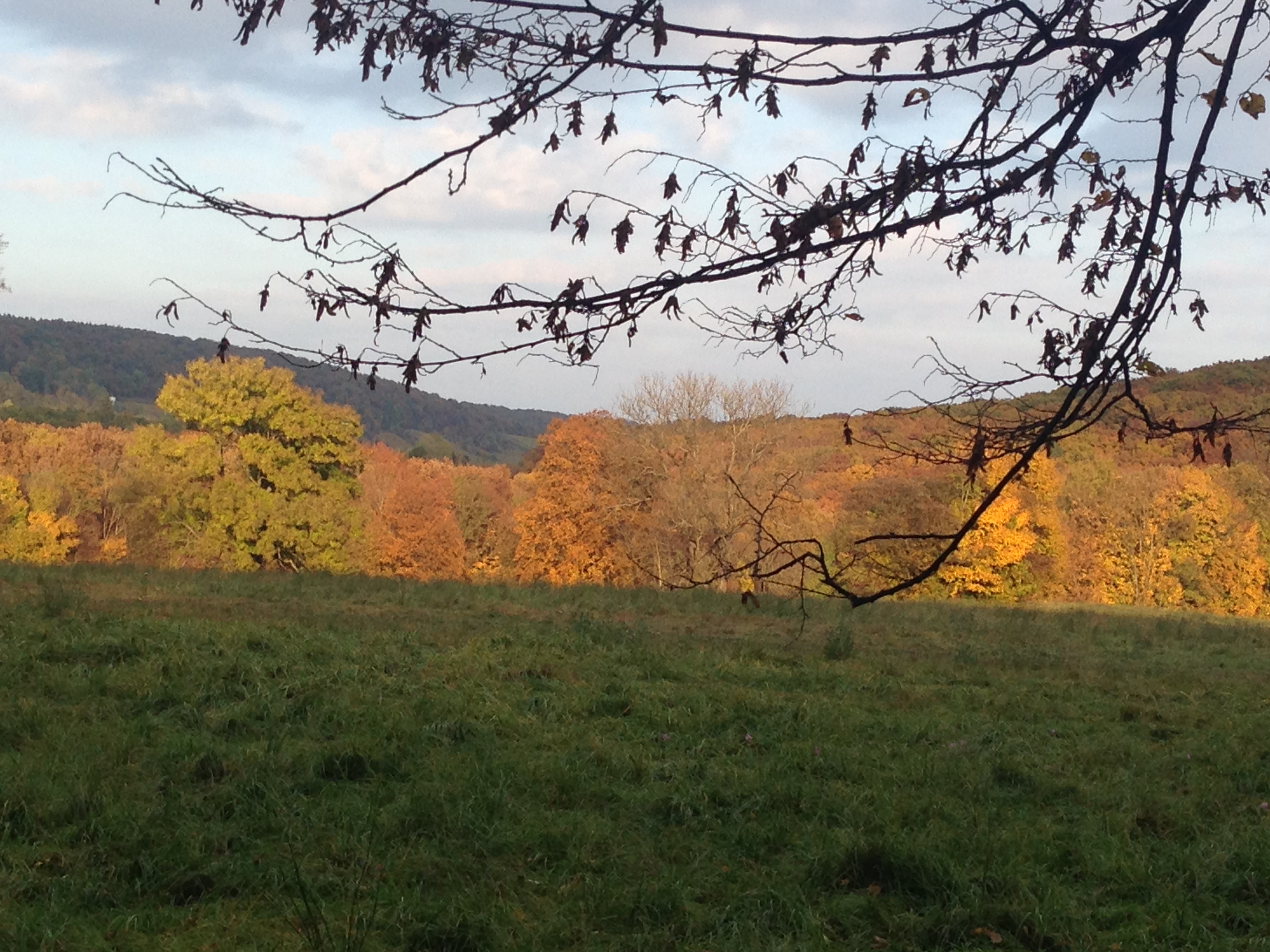
Vienna Woods, “Schwarzenbergpark”

The Catholic church fostered several varieties of social thought in Austria. Chief among those was the Christian Socialism disseminated by Karl Baron von Vogelsang (1818-1890). During the 1880s his writings paved the way for Karl Lueger’s founding of the Christian Socialist Party. A converted Prussian protestant, he came to Vienna to edit the Catholic daily “Vaterland”. He wanted Christian ethics to replace capitalist competition and state socialism and Marxism only added to the evils of capitalism and liberalism in his opinion. In contrast with all these systems, Vogelsang sought not to increase productivity or to expand political rights, but to restore the hierarchical structure of medieval society. Vogelsang desired every business to become an industrial “family”, in which workers and owners would share management, each firm would belong to a branch corporation and each of these to the Industrial Chamber, where workers and owners would legislate economic and social policy for each industry. Artisans would be required to join a guild, which would fix the numbers of masters and apprentices. This medieval institution would shield its members from the dangers of individualism. But this sort of Catholic socialism could not stem the rise of anti-clericalism. In the forefront of anti-clericals, Social Democrats and free-thinkers denounced the control that the church retained over marriage and primary education. Catholics who married outside their faith were faced with so many impediments that in 1914 approximately 1 mill common-law marriages existed in the empire. The church further prohibited divorce and forbade former priests to marry, all of which contributed to the popularity of the “Los-von-Rom” movement. Concerning anti-Semitism the clergy was openly divided. Parish clergy, who were recruited from the lower middle class, often scandalised the episcopacy by openly preaching anti-Semitism. In 1898 the Viennese anti-Semite Georg Ritter von Schönerer (1842-1921) initiated the “Los-von-Rom” movement protesting against the power of the state church and offering a rehearsal for an eventual union of Cisleithania(western part of the empire) and the German Empire. In Austria Christian Socialism somehow blunted the “Los-von-Rom” movement. Although it did not perceptibly weaken the church, Schönerer’s success in branding the Roman Catholic Church an enemy of Germans predisposed some Catholics to accept Hitler’s anti-clericalism.…