
PAID HOLIDAYS FOR EVERYONE IN THE 1st AUSTRIAN REPUBLIC (1918-1934) & HOW THE VIENNESE WORKING CLASS PROFITED FROM THIS NEW SOCIAL LEGISLATION
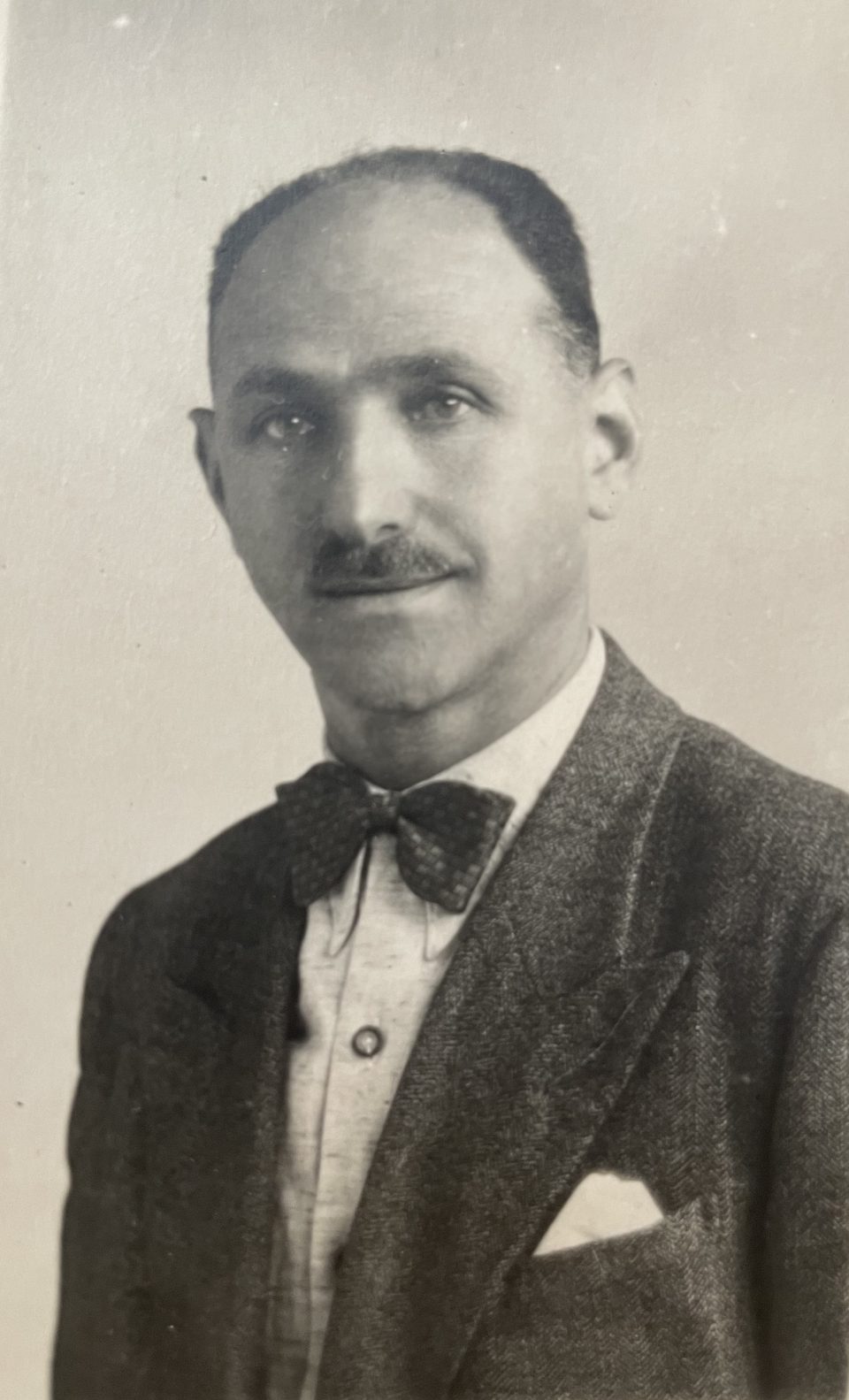
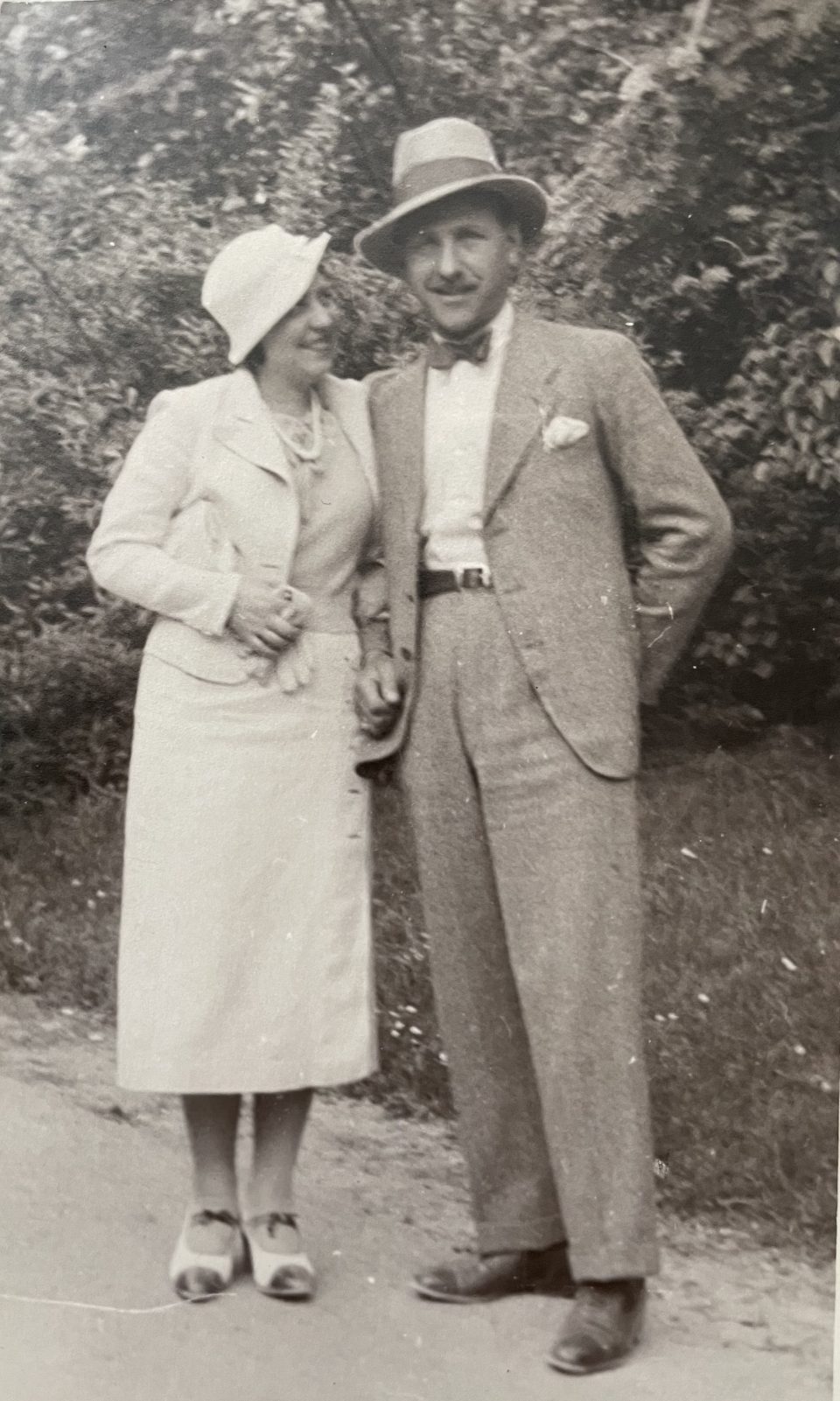
My great-uncle Karl Elzholz – on the right with my great-aunt Mitzi, his second wife and my grandmother Lola’s youngest sister
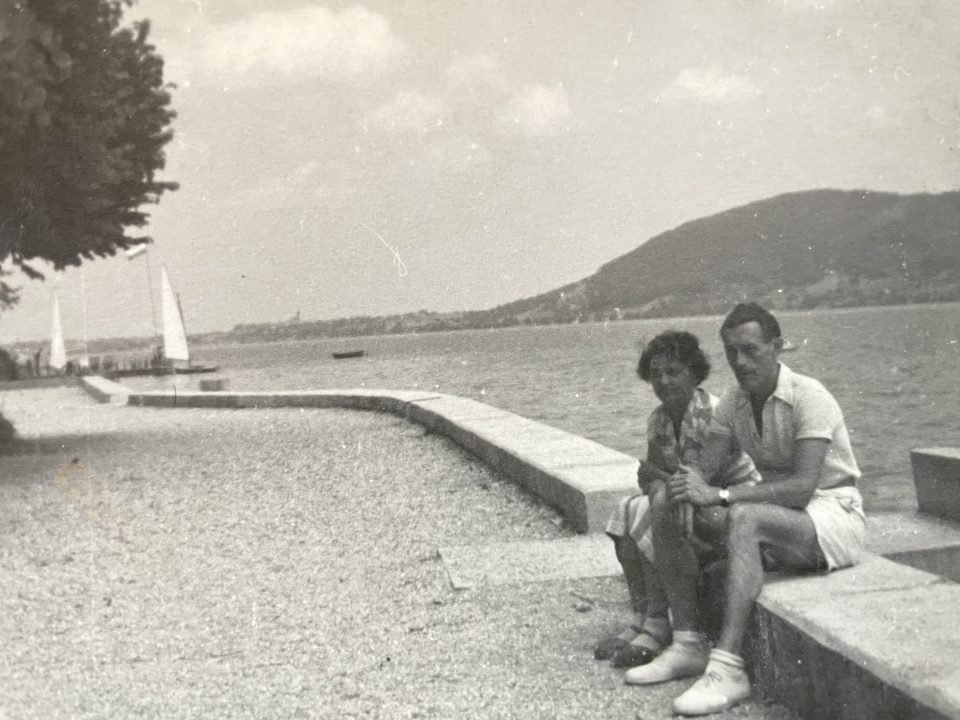
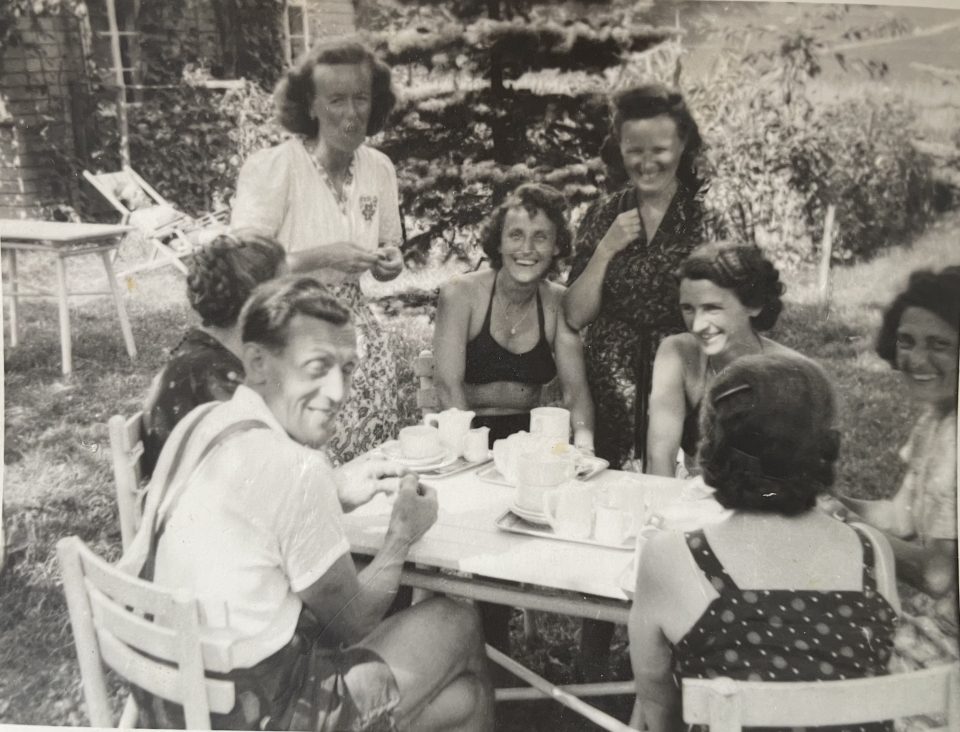
My grandfather Toni Kainz with my grandmother Lola (in the right photo Lola on the very right margin in company with friends; Toni on the left)
Both Karl Elzholz and Toni Kainz were enthusiastic amateur photographers and among their legacies are photographic documents of working-class holidays during the 1st Austrian Republic. Especially precious are two beautiful photo albums of 1919 and 1933, which illustrate this research. Most holidays of Viennese workers and members of the lower middle class were spent in the Alps at lakes and along rivers in Austria.
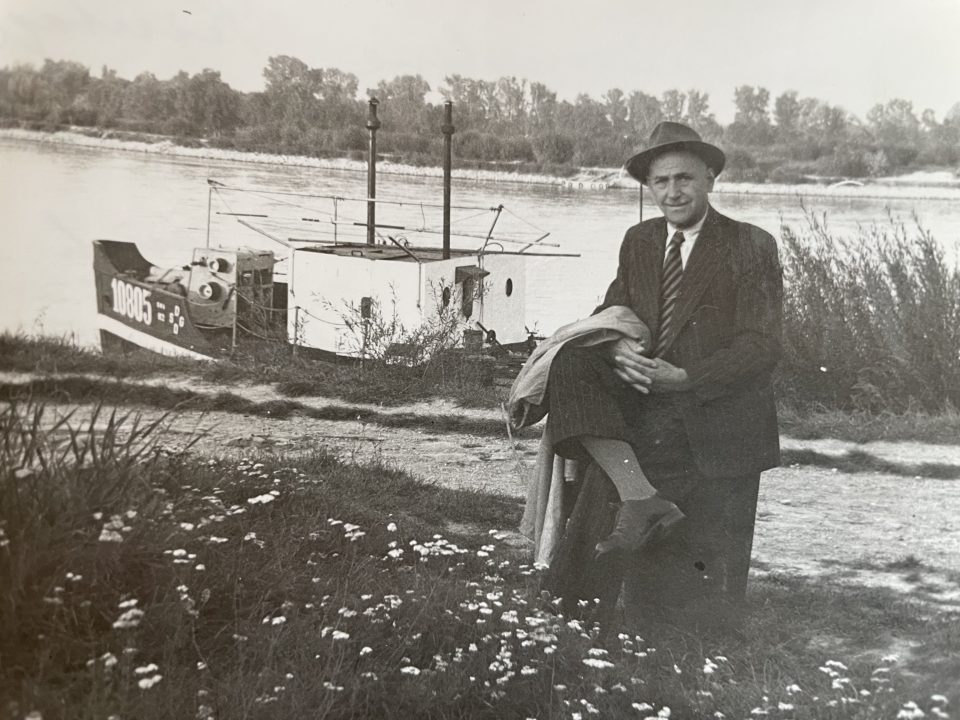
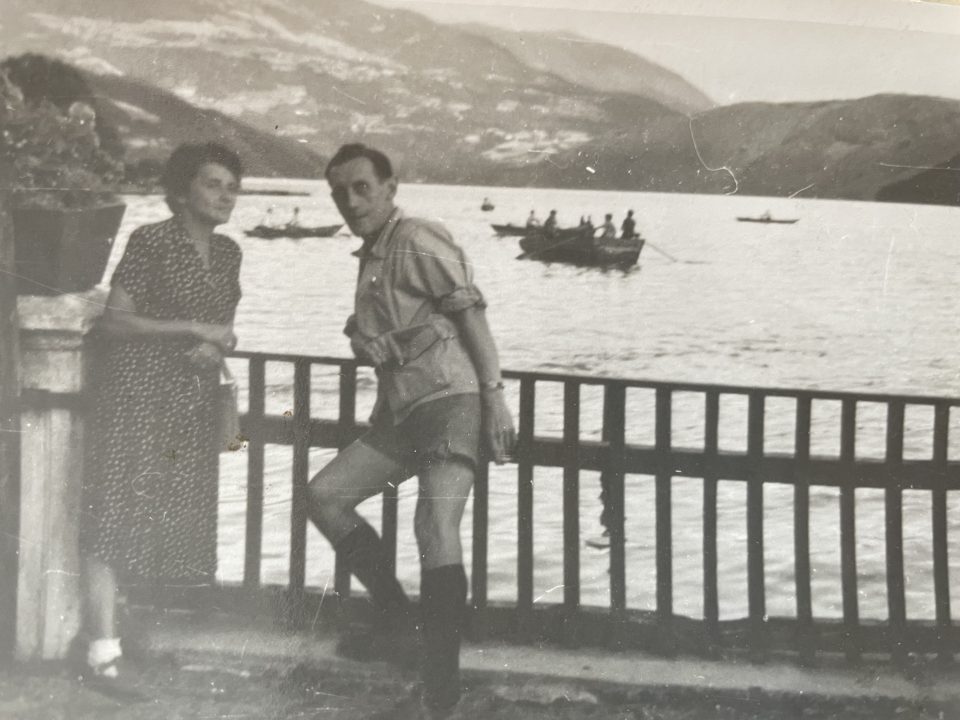
Karl on the left; Lola and Toni on the right
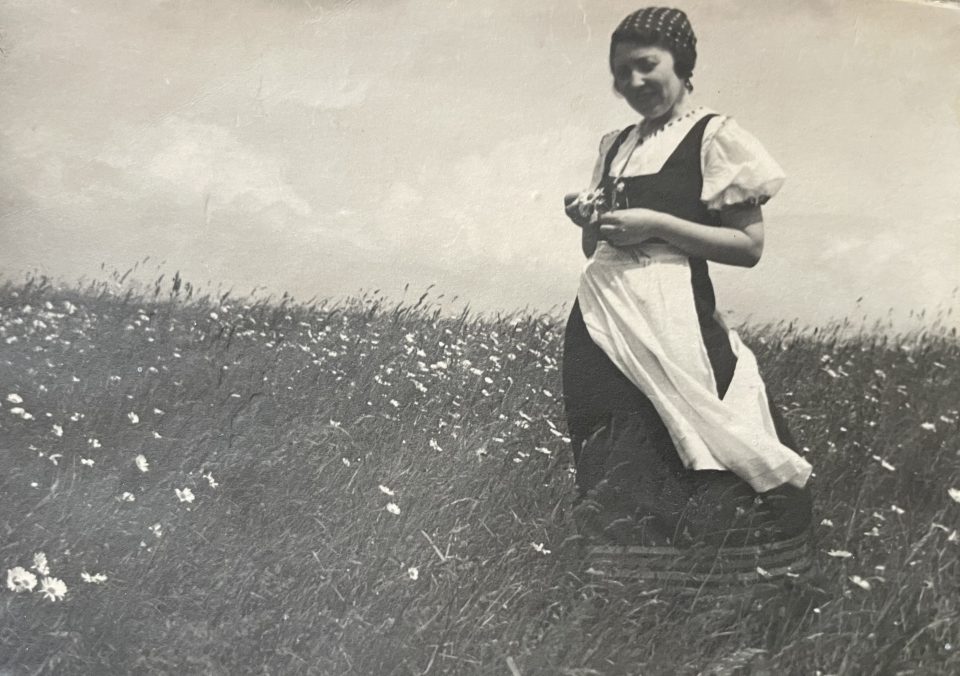
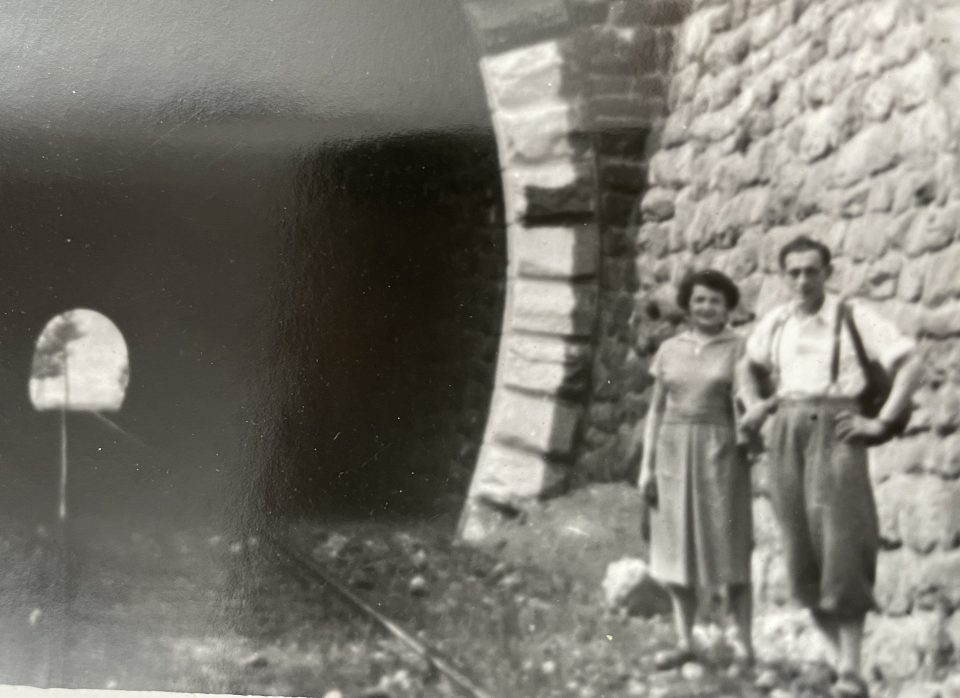
Mitzi on the left; Lola and Toni on the right
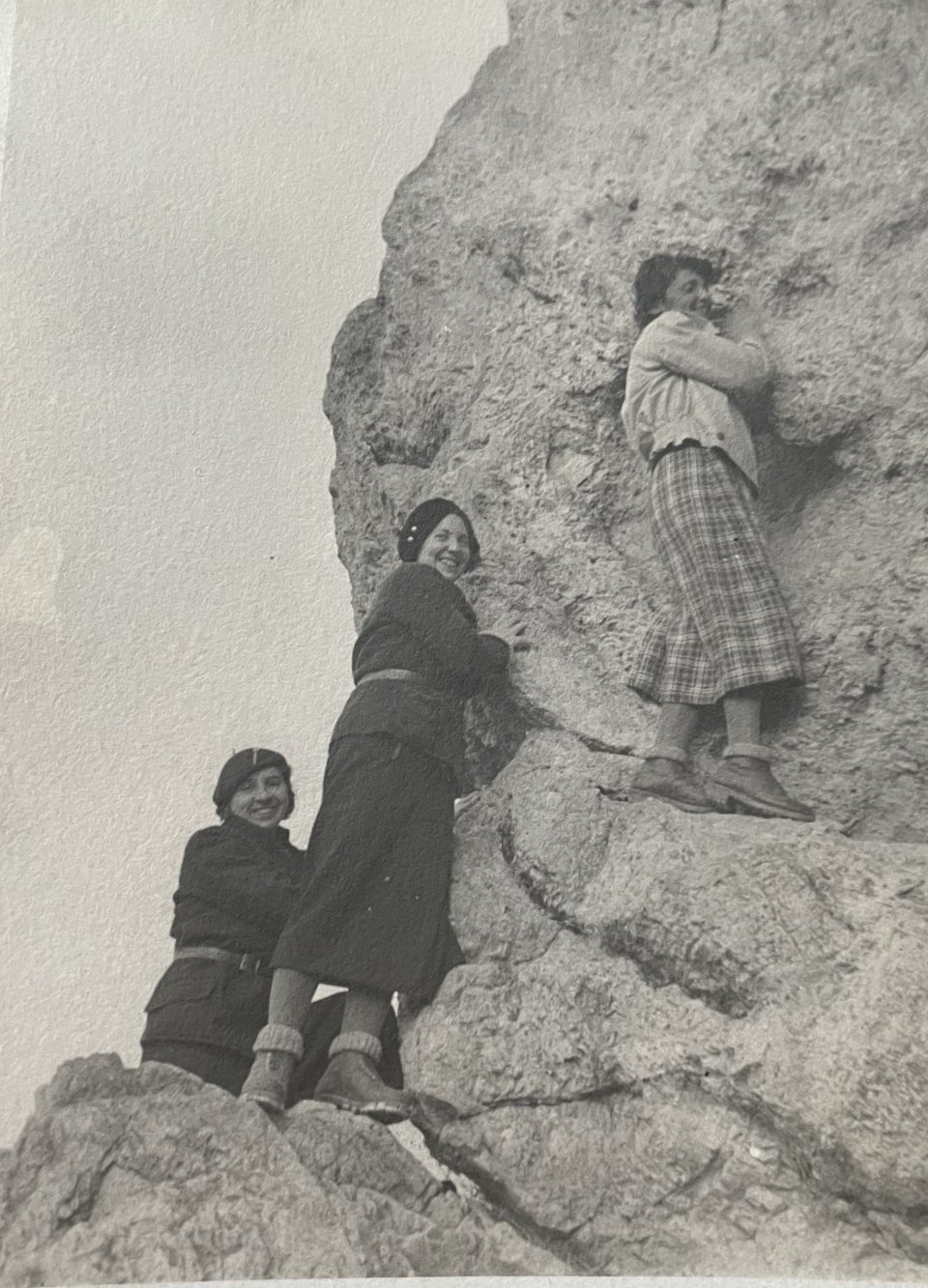

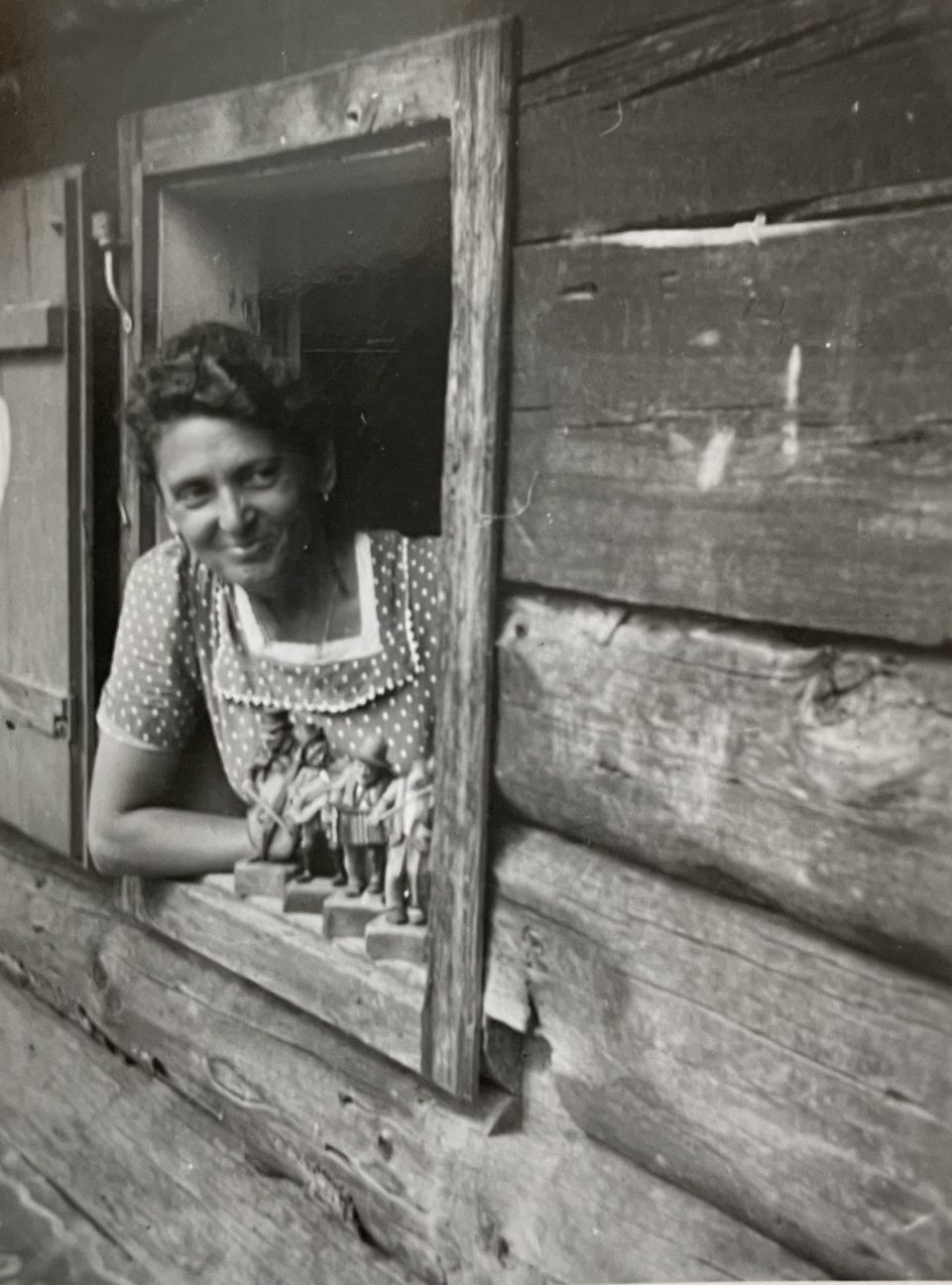
The two sisters, Mitzi and Lola on the left; Lola in front of a mountain cottage on the right
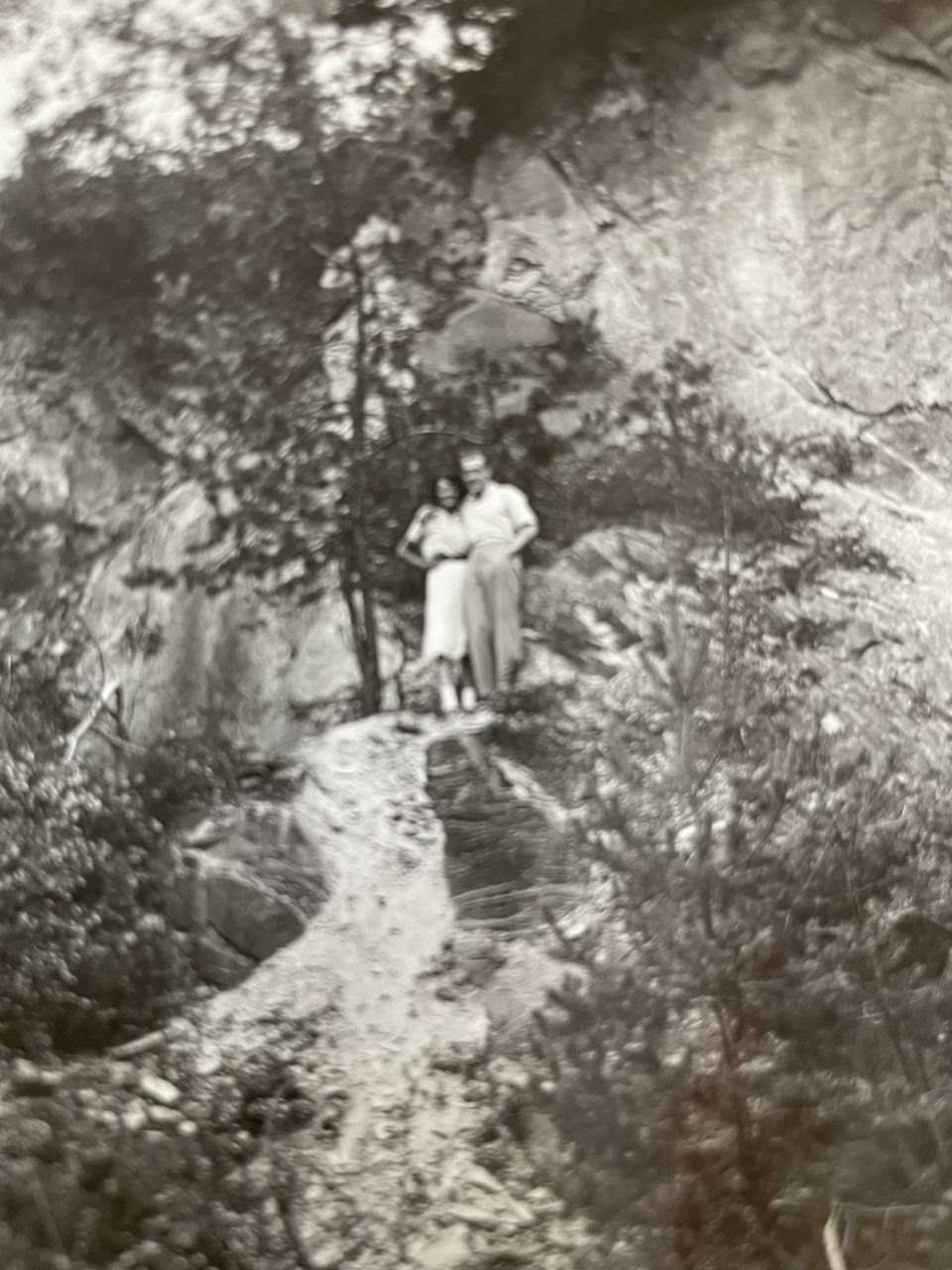
In the Austrian mountains: Lola on the left; Toni and Lola on the right
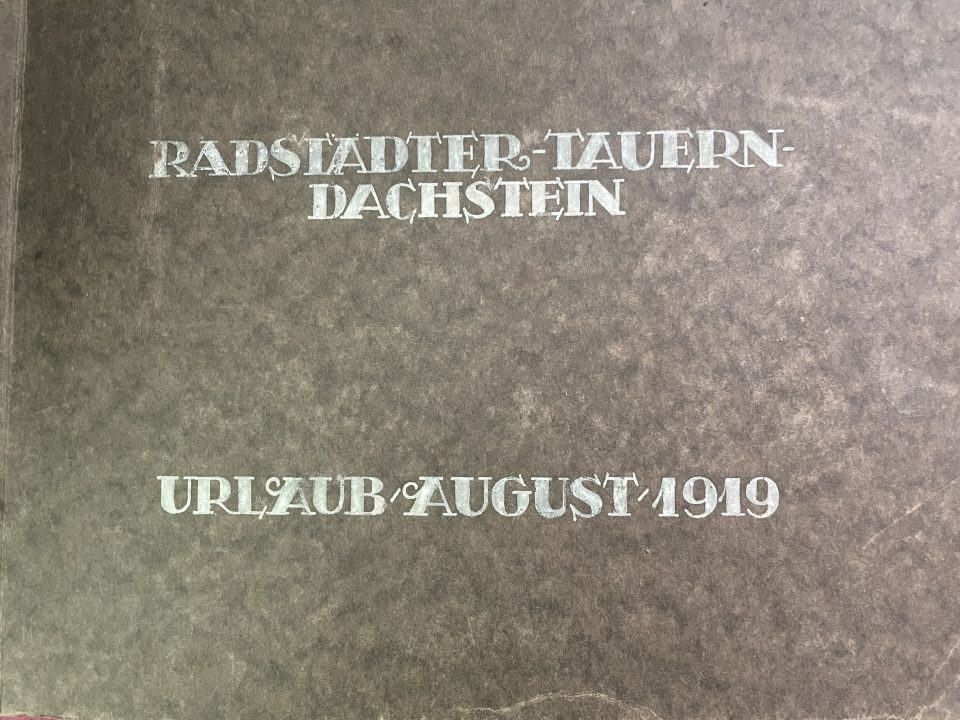
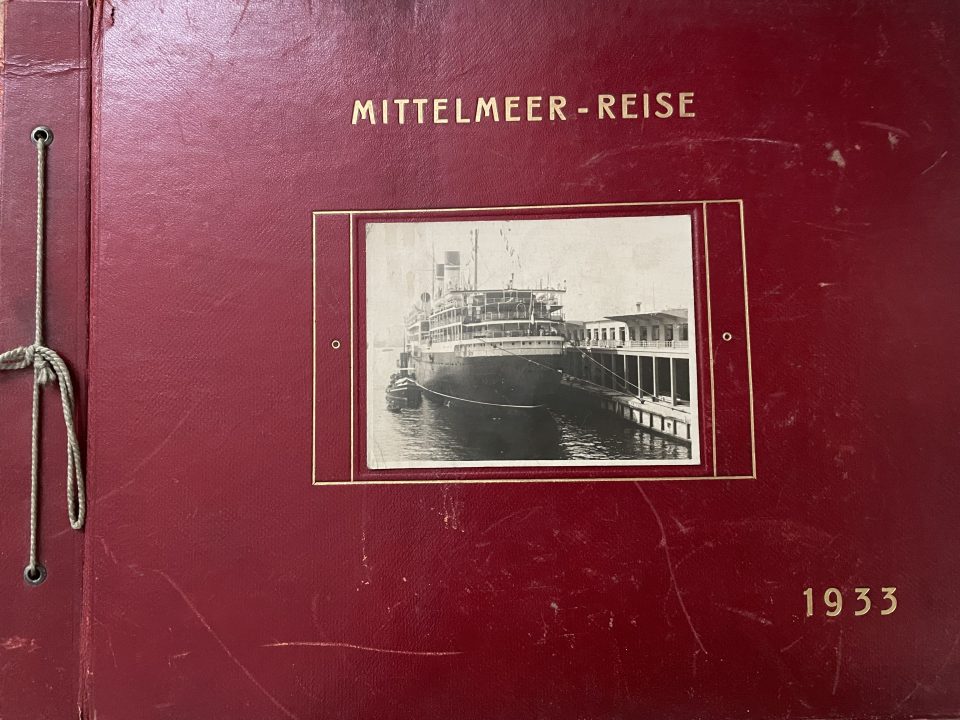
Left: The cover of the photo album of 1919 in the Austrian Alps; right: Karl’s photo album of his trip to the Mediterranean in 1933
Statutory holiday entitlement and working hours in Austria
In the 19th and early 20th century holidays were a privilege of the wealthy. It was a long way from the “summer retreat of the rich” at the beginning of the 20th century to mass tourism at the end of the 20th century. Originally a paid obligatory annual holiday for all employees did not exist. This was the achievement of the 1st Austrian Republic in 1919. All political parties represented in the 1st democratic Austrian parliament, which had been elected on the basis of an equal voting right system for the first time, passed the law unanimously granting a paid annual holiday between five days and five weeks to all employees. Yet, this did not mean that all employees could afford a holiday away from home. This was reserved for a small group who earned enough to pay for travel and accommodation for a few days, mostly in the vicinity of Vienna or the Austrian Alps. Around 1900 some Austrian villages established tourist associations and village beautification societies to make holidays attractive and affordable for workers on wages that allowed a brief holiday only. For those who could not pay for hotel rooms or rent villas, rooms in private houses or farms were offered as private accommodation for the less well-to-do and in mountainous regions a host of mountain cottages were built to cater for the mountaineering enthusiasts. Most holiday makers from the working class preferred hiking in the Austrian Alps, fleeing factories and crowded, polluted cities. A bed in the dormitories of mountain huts was a cheap alternative to a bed-and breakfast, for example.
After the end of the Second World War, the “Miracle Years” of 30 years of sustainable economic growth in Europe made holidays more affordable for everyone. In the 1950s the Viennese started go on camping holidays on Adriatic beaches in the north of Italy, but the majority spent their holidays in Austria, visiting historical sites and enjoying the beautiful natural landscapes of the “Wachau” along the Danube, the Carinthian lakes or the “Salzkammergut”.
So, how did this development of granting days of recreation to the working class come about in Austria? Already in ancient Greece and Rome the slaves were offered some days off work for the purpose of recreation, but this concept was not perpetuated in the following centuries. Only the nobility and the rich enjoyed summer retreats or spas or went on “grand tours” to see the historical sites of Europe in the 18th and 19th century. It was argued by the ruling classes that only those who “worked with their brains “become exhausted and “their nerves are rattled”, so they were in need of rest and recreation. The manual workers, those who worked in factories for example, did not need any vacation because their occupation was “healthy”. The entrepreneurs invested in machines, which had to run the year round to be profitable; that’s why the workers had to be at the mines and factories up to 16 hours a day, six days a week and 52 weeks a year. Sundays and Christian holidays were “hunger days” because they were unpaid. Days off work were only granted on special occasions and they were not paid.
Around 1900 the newly founded trade unions resorted to collective bargaining in the Austro-Hungarian Monarchy to demand paid holidays for their exhausted workers. The first occupational groups which were well organised were the book printers and the metal workers. Consequently, they reached agreements with the employers via collective bargaining to be granted some paid days off work. In 1911 such holiday concessions were made by the entrepreneurs in sectors such as the chemical industry, the textile and food industry and the gold and silver production. In contrast to blue-collar workers, white-collar workers had been granted statutory holiday entitlements in 1910. Skilled employees were in high demand in the Austrian economy and were therefore lured to take on jobs in these booming sectors by being offered fringe benefits, such as paid holidays, which varied between 10 days and two weeks depending on the duration of their employment.
With the end of the Austro-Hungarian Monarchy and the foundation of the 1st Austrian Republic in 1918 the law granting statutory vacation entitlement for all employees, blue- and white-collar workers alike, was passed in the Austrian Parliament on 30 July 1919. After employment of one year, the workers were entitled to one week of paid holidays a year and after five years of employment, two weeks of paid holidays. Young workers below the age of 16 were granted a paid holiday of two weeks from the start of their employment. Unfortunately, these legal regulations were often evaded by the employers after the introduction of the new law. Many workers were urged to forego their right to paid holidays or they were dismissed before reaching the end of their first year of employment. But in 1924 the Austrian Labour Inspectorate reported that most enterprises respected the statutory holiday entitlement, with the exception of some small businesses, which deprived their workers of paid holidays or withheld young workers from taking the holidays they were entitled to. Austrian white-collar workers managed to increase their holiday demands in 1921 to up to five weeks per year, for example journalists, civil servants, actors and employees of rural estates.
In the 1930s the Great Depression hit the Austrian economy hard and the entrepreneurs tried to repeal the law granting statutory paid holiday entitlement, but the workers resisted and went on strike. The first to go on strike were the workers in the meat industry in Graz in 1931. When in 1934 the Austro-Fascists took over control of the state, not only parties, for instance the Social Democratic Party, were forbidden, but also free trade unions and much of the social legislation, which was an achievement of the 1st Republic, was abolished, or the enterprises just ignored existing labour laws without sanctions by the Austro-Fascist government. The situation of the workers worsened during the Nazi dictatorship, which started with the “Anschluss” (takeover of Austria by the Nazis) in March 1938 and ended in the spring of 1945 with the end of World War II. During the National-Socialist (NS) dictatorship there was no longer any additional pay for overtime, Sunday or holiday work and no holiday pay. Only adolescents were offered more holidays, if they spent them in the NS youth camps, where they were indoctrinated with Nazi ideology. With the establishment of the 2nd Austrian Republic in April 1945 the statutory rights of workers of the 1st Austrian Republic were reinstated and in 1946 two new laws were introduced: first, granting blue-collar workers 12 days paid holidays per year, which could be increased to 24 days after 15 years of employment and second, young workers were entitled to 18 days paid holidays up to the age of 18, which was increased to 24 days in 1947.
In the 19th century there were no laws regulating daily or weekly working hours in the Austro-Hungarian Monarchy. The liberal principle of absolute freedom of labour contract prevailed. The free contract of employment between employer and employee with no legal limits of working hours was sacrosanct, but in reality, no negotiations on equal terms between employer and employee existed. As a result, the daily working hours in industry, mining and artisan businesses were between 12 and 16 hours and the weekly working hours amounted up to 90 hours, while child labour was prevalent. The state only started to interfere, when the health of young people deteriorated drastically, so that the draft rates of healthy young men for the military dropped dramatically. In 1884 the first statutory regulations were passed in the mining industry by limiting the duration of a shift to 12 hours including breaks. This was followed by the factory workers in 1885 with 11 hours of maximum daily working time. Child labour was forbidden for children below the age of 12 in craft businesses and below the age of 14 in factories. Yet the majority of workers in the Austro-Hungarian Monarchy were employed in small family businesses and agriculture, which were exempt from these statutory regulations. Anyway, many of the enterprises did not adhere to these new labour regulations. In 1890 the newly founded Social Democratic Party demanded the “8-hour-day”: 8 hours for work – 8 hours for rest – 8 hours for leisure time (“for what we will”). But these demands could only be realised after the end of the monarchy and the establishment of the 1st Austrian Republic in 1918. The Social Democratic state secretary for social affairs Ferdinand Hanusch passed around 80 social laws between 1918 and 1919, among them the statutory holiday entitlement and the eight-hour working day, which unfortunately did not apply to workers in agriculture and forestry, who constituted a large part of the Austrian workforce, because the conservative Christian Socialist Party resisted.
Despite these new social legislations, vacations were a rare luxury for Viennese lower middle-class and working-class families. But the low rents in the newly erected social housing complexes of “Red Vienna” – the social reform period in Vienna from 1919 until 1934 – allowed some families who were lucky to be allocated such a flat, to save up for a short holiday. Furthermore, the cheap accommodation possibilities in mountain cottages and rooms in private houses and on farms in the countryside created early forms of low-cost summer tourism in the Austrian Alps and on Austrian lakes. Yet most families spent their free time in or around Vienna, in the “Prater” with its untouched nature and the fun park area, or the” Laaerberg” with the amusement park “Böhmischer Prater” or the “Heurigen” in the Vienna Woods, where the new wine was offered at affordable prices in the vineyards at the outskirts of the city. Holiday travels and mountaineering expeditions formed part of the leisure-time programme of “Red Vienna”, which wanted to offer education and experiences in nature and the enhancement of the health of the workers, while at the same time eradicating the traditional working-class vices, such as excessive drinking, smoking, gambling and unhealthy ways of life. The Nature Association “Naturfreunde” was founded as a counterpart to conservative mountaineering associations such as “Alpenverein” and “Touristenclub”.
See article: http://centraleuropeaneconomicandsocialhistory.com/the-alps-past-time-of-the-young-viennese-in-the-1920s-1930
Furthermore, the Austrian railways offered an affordable and comfortable access to the Alpine regions for Viennese workers and their families.
…