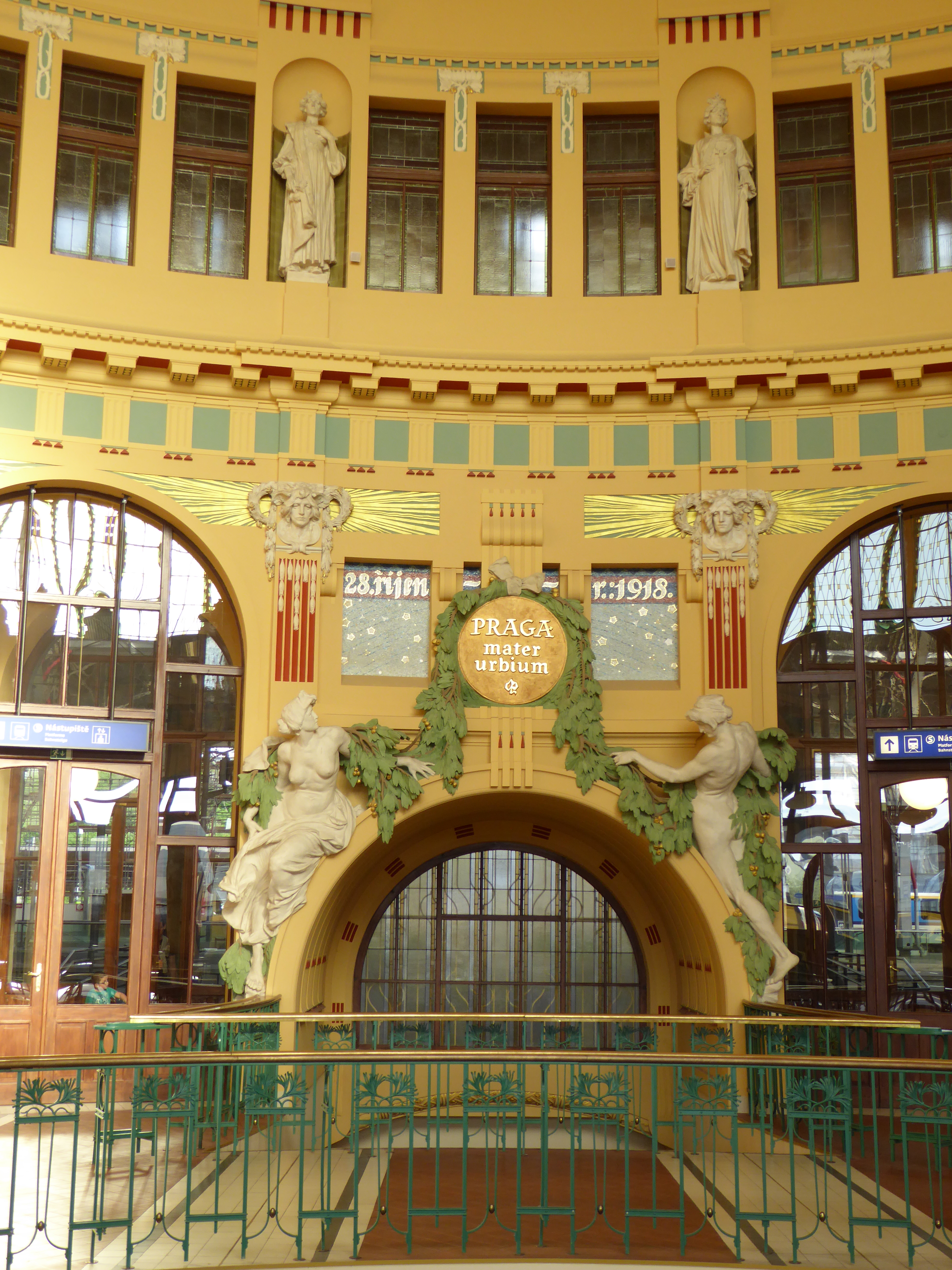
THE FINANCIAL CRISIS & POST-DEMOCRACY
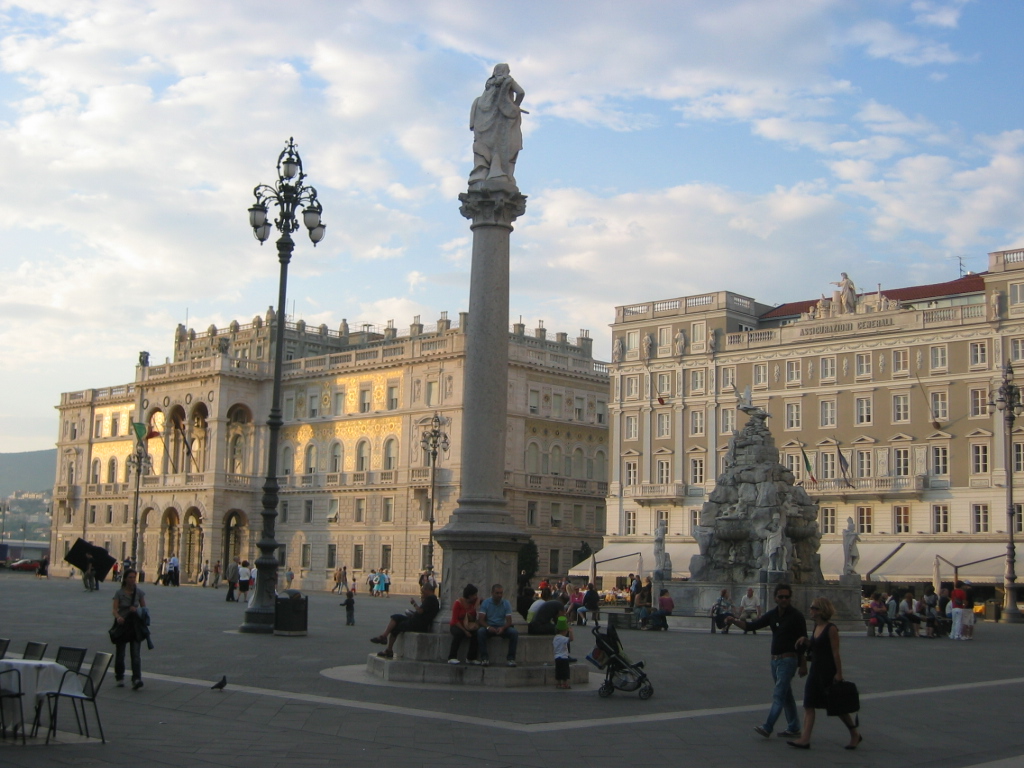
Trieste,”Generali Insurance Company”
In his book „Post-Democracy“ Colin Crouch analysed the state of democracy in Europe. Democracy thrives when there are major opportunities for the mass of ordinary people to actively participate through discussion and autonomous organisations in shaping public life and when they are actively taking up these opportunities. Societies probably come closest to this democratic ideal in the early years of achieving democracy or after a great regime crisis, when enthusiasm for democracy is wide-spread. Most of Western Europe had its democratic moment after World War II. For the first time in the history of capitalism, the general health of the economy was seen as depending on the prosperity of the mass of wage-earners. A certain social compromise was reached between capitalist business interests and the working population. Business interests learned to accept certain limitations on their capacity to use their power. The democratic political capacity concentrated at the level of the nation state, which could guarantee those limitations because firms were largely subordinate to the authority of nation states then.…